
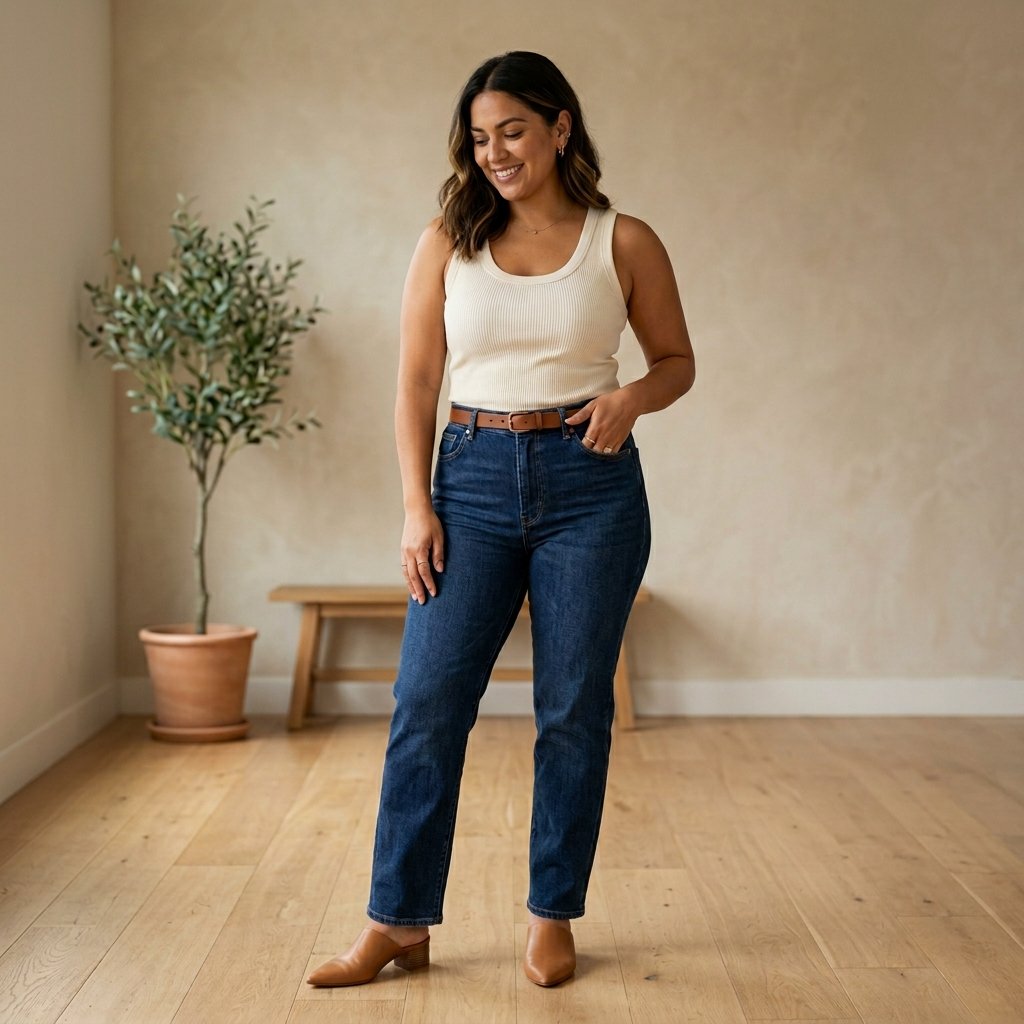
I spent three years “building a capsule wardrobe” before I realized I was doing it completely wrong. Thirty-three pieces hanging in my closet, half of them beige, none of them me. I looked like a minimalist Pinterest board had thrown up in my room. The silk blouse wrinkled if I breathed on it. The “perfect” wide-leg trousers didn’t fit after lunch.
Here’s what nobody tells you: a capsule wardrobe isn’t about owning fewer things. It’s about owning the right things for how you actually live.
Why Most Capsule Wardrobe Advice Fails Working Women
Every capsule wardrobe guide I read in my twenties assumed I had one life. Office clothes. Weekend clothes. Maybe a “date night” section if the author was feeling generous.
But who lives like that?
On any given Tuesday, I might have a morning meeting, lunch with my mom, a gym session, and dinner reservations. The guides telling me to own exactly 37 pieces never mentioned what happens when you need to transition from a yoga mat to a restaurant booth without going home.
Most capsule wardrobe formulas also ignore climate reality. I live in a place with actual seasons. That “perfect white tee” the experts recommend? It lives in a drawer from November through March because I’m not layering a tissue-thin shirt under wool in fourteen-degree weather.
The biggest flaw in traditional capsule thinking is the obsession with “timeless neutrals.” For some women, neutrals work beautifully. For others, especially those with warm undertones or who just genuinely love color, a closet full of greige feels like a uniform they never signed up for.
Building Your Foundation Layer (The Pieces You’ll Wear 100+ Times)
Forget the viral “33 items” rule. Start with five foundation pieces you’d genuinely wear until they fell apart.
Your foundation layer needs to pass one test: would you buy it again tomorrow at full price? If you hesitate, it doesn’t belong.
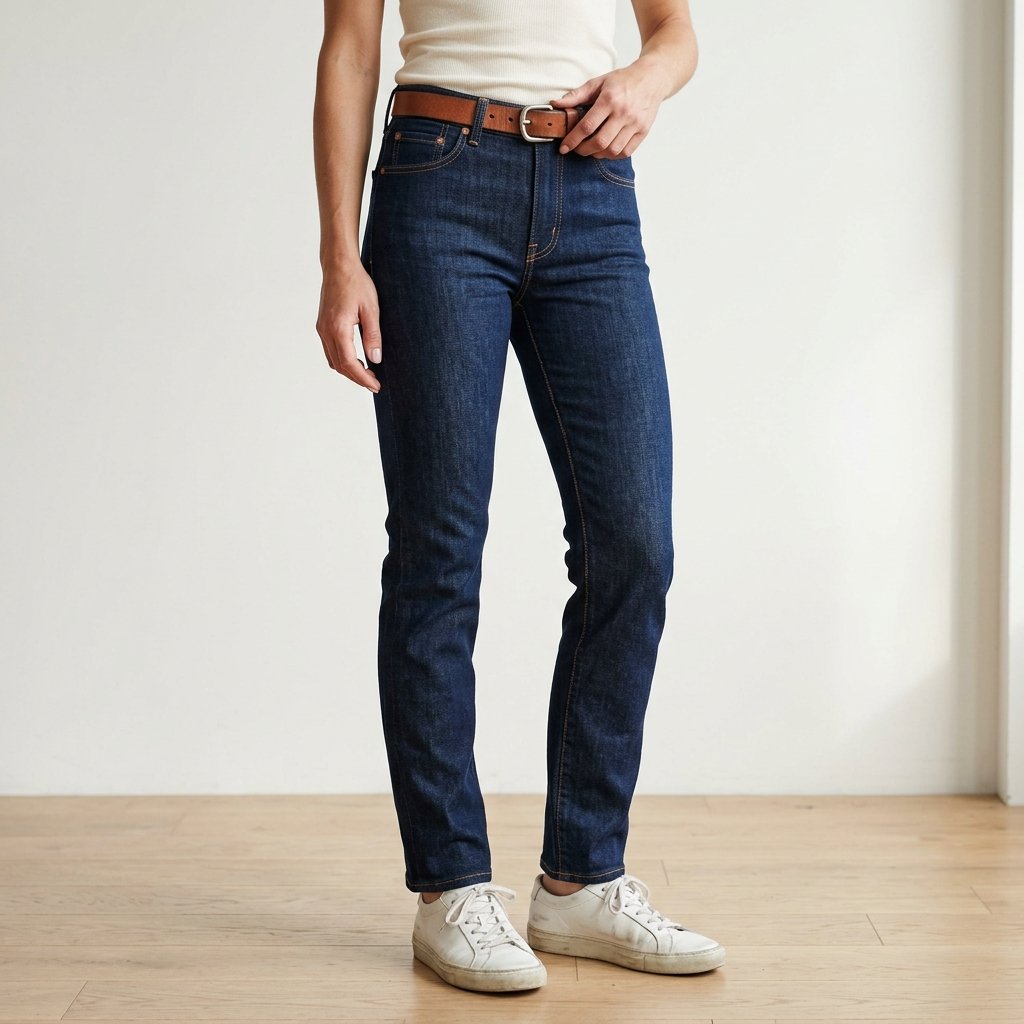
For most women, foundation pieces include one pair of jeans that fit without gymnastics. Not trendy. Not aspirational. Jeans that zip without lying down, sit without gapping, and look decent after eight hours of actual sitting. I’ve found that mid-rise straight leg with about two percent stretch tends to work for the widest range of bodies and occasions.
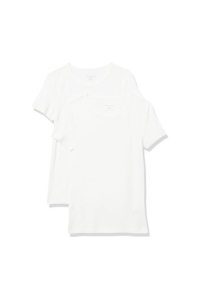
A white tee sounds basic until you own the right one. Mine cost $28 and has lasted nineteen washes without going gray or tissue-thin. It’s slightly heavier cotton than most, around 180 GSM, which means it actually hangs instead of clinging to every lunch I’ve eaten that week.
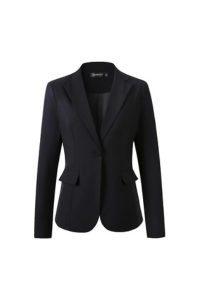
One blazer that fits your shoulders properly. I see women swimming in oversized blazers because that’s the trend, but a capsule wardrobe isn’t about trends. It’s about what makes you look like yourself on purpose. If oversized feels like costume, size down.
The 15-Piece Capsule Framework (For Women Who Have Lives)

After years of trial and error, I landed on a framework that actually functions across seasons and life stages. It’s not a rigid count, it’s a ratio.
For every five bottoms you own, keep fifteen tops. The math seems backward until you realize most women wear bottoms multiple times between washes but switch tops daily. Your closet should reflect that reality.
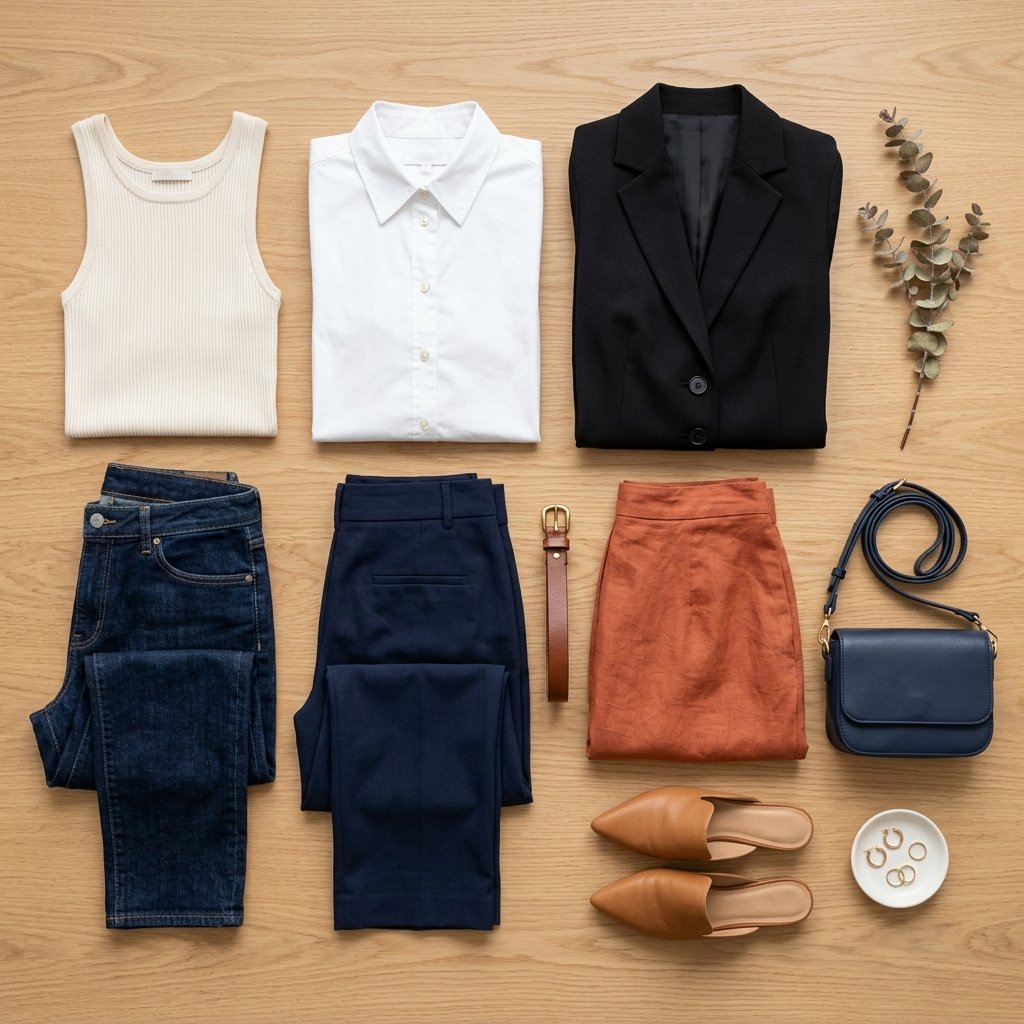
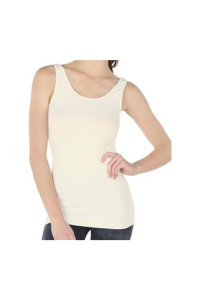
Within your fifteen tops, aim for a three-three-three distribution: three fitted basics (tanks, tees, bodysuits), three elevated basics (button-downs, knit tops, refined shells), and three statement pieces (prints, textures, colors you love). The remaining tops fill gaps based on your specific life, blazers if you work in an office, cardigans if you’re cold-natured, linen camp shirts if you live somewhere warm.
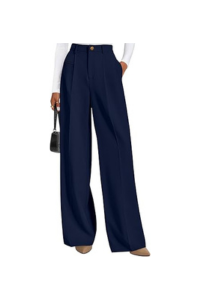
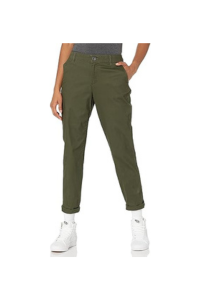
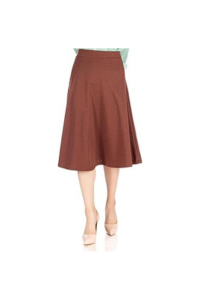
Your five bottoms need to span dressiness levels. One pair of jeans. One pair of trousers. One skirt or relaxed pant. The final two depend entirely on you, maybe two more jeans in different washes, maybe leggings if you’re active, maybe linen shorts if you’re not dressing for an office.
The secret ingredient most capsule guides skip: three “connector” pieces that bridge formality gaps. A structured cardigan that works over a dress or with jeans. A leather jacket that toughens up a silk skirt. A blazer that sharpens casual basics. These connectors let you dress up or down without owning separate wardrobes.
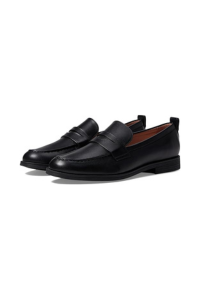
The Foundation Pieces
The Color Formula That Isn’t All Beige
Here’s my unpopular opinion: an all-neutral capsule wardrobe only works if you actually look good in neutrals.
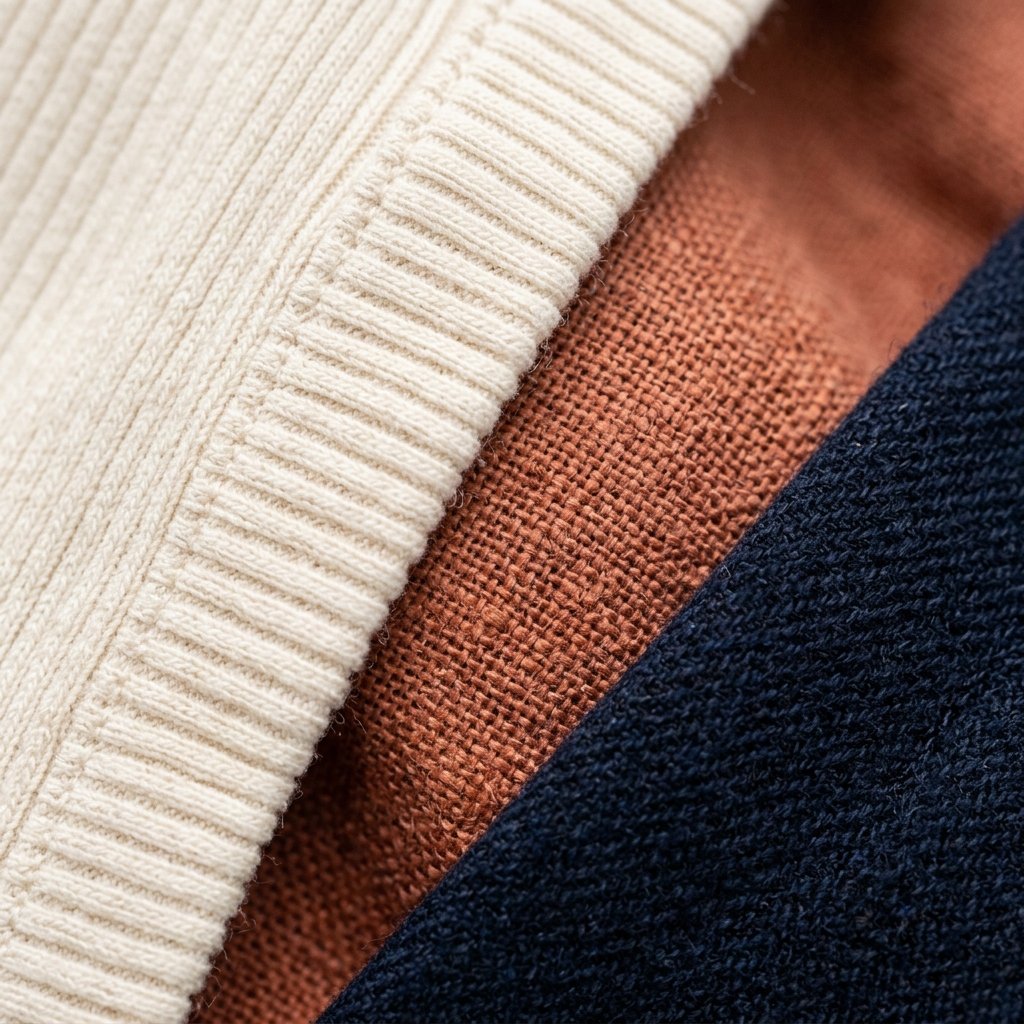
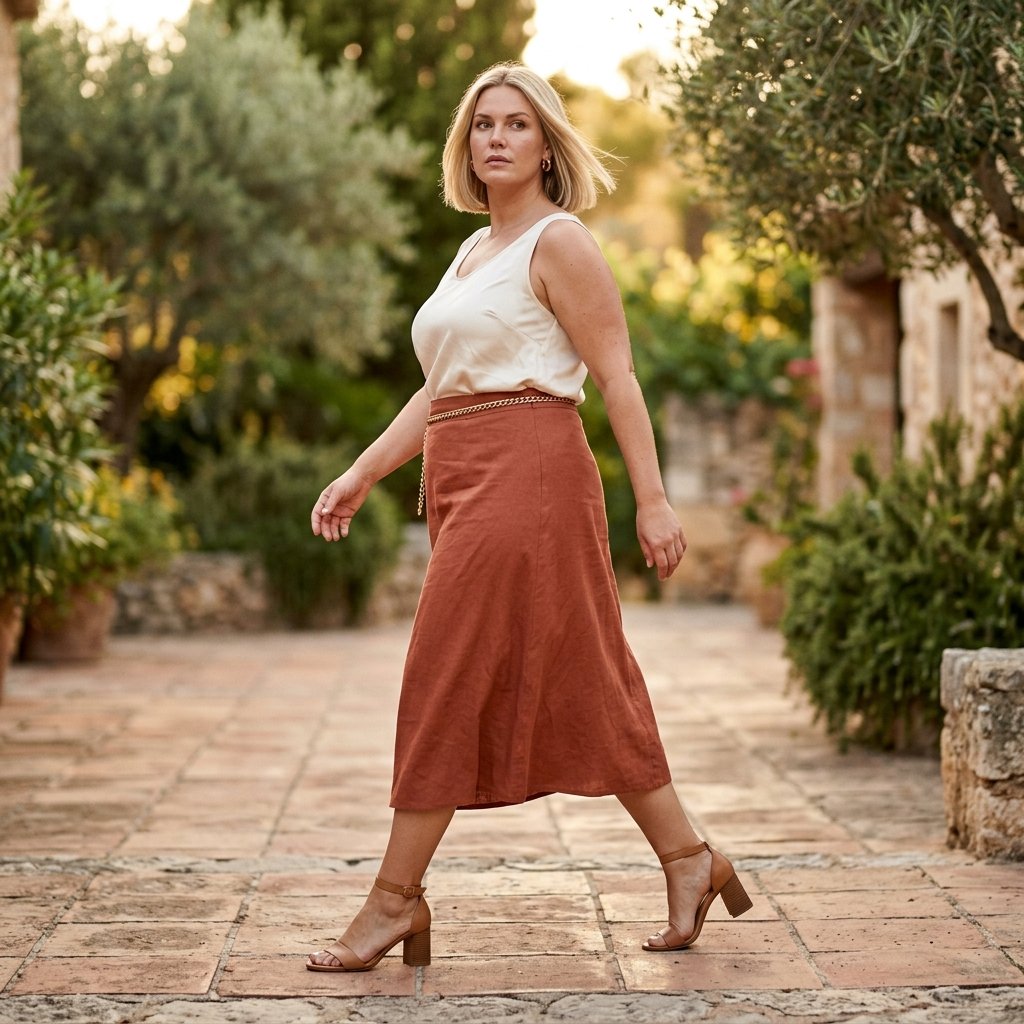
I spent two years buying “versatile” beige and gray before admitting those colors made me look exhausted. My undertones wanted warmth, terracotta, olive, warm cream. When I finally incorporated color, my capsule actually started working because I felt good wearing it.
The formula I recommend: choose two base neutrals and one signature color. Your bases handle the heavy lifting—jeans, trousers, basics. Your signature color appears in statement pieces, accessories, and the items that make you feel most yourself.
For warm undertones, try chocolate brown and cream as bases with terracotta, olive, or mustard as signature. For cool undertones, navy and white as bases with burgundy, sage, or soft pink as signature. Neutral undertones get to play both sides, charcoal and ivory as bases with almost any saturated color as signature.
The test for whether a color belongs in your capsule: would you buy three items in this shade? If yes, it’s a capsule color. If you can only imagine owning one piece in that color, save it for accessories.
Upgrading Your Capsule Without Starting Over

You don’t need to gut your closet to build a capsule wardrobe. Most women already own sixty percent of what they need, it’s buried under the pieces that don’t work.
Start by pulling everything that fits well and makes you feel like yourself. Not what fits your fantasy life. What fits the Tuesday where you have three different obligations and no time to change. Those pieces become your capsule core.
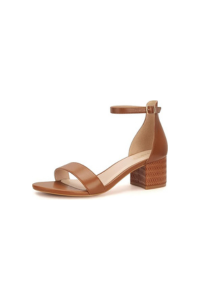
Then identify the gaps. Most women are missing the same things: one truly good white shirt that doesn’t require dry cleaning, one pair of shoes that works for four hours of standing, and one bag that fits a laptop without looking like a diaper bag.
Fill gaps slowly. One piece per month maximum. The fastest way to ruin a capsule wardrobe is panic-buying five new items because a blog said you needed them. If you’ve functioned without a trench coat for thirty years, you probably don’t need one now just because every capsule list includes it.
I keep a running note on my phone of capsule gaps I notice in real life. When I’m struggling to get dressed for something specific, I write down what would have solved the problem. After three months, patterns emerge. That’s when I shop, for solutions, not for inspiration.
Capsule Closet Essentials
The Maintenance System That Keeps Capsules Working
A capsule wardrobe without maintenance turns back into a cluttered closet within six months. I’ve watched it happen, to me and to every woman I’ve styled.
The simplest system I’ve found: at the start of each season, flip your hangers backward. After you wear something, hang it the normal way. Three months later, anything still backward gets scrutinized. If you didn’t reach for it once during a full season, it’s not capsule material.
Repair immediately. The moment a button loosens or a hem drops, either fix it that week or admit you never will and remove it from rotation. A capsule wardrobe only works when everything in it is wearable right now—not “wearable after I visit the tailor.”
Store off-season pieces properly. Knitwear folded, not hung. Cotton in breathable bags if you’re dealing with humidity. Shoes stuffed with paper to hold their shape. This sounds fussy until you pull out your favorite wool sweater in October and discover moths have made it into modern art.
I do a fifteen-minute closet check every Sunday while coffee brews. What’s dirty? What needs repair? What got worn four times this week? This tiny ritual prevents the slow drift back into closet chaos. It also reveals patterns, like realizing I wore the same three tops all week and maybe the other twelve don’t deserve closet space.
Built to Mix and Match
Frequently Asked Questions
How many pieces should a capsule wardrobe actually have?
There’s no magic number, despite what viral posts claim. Most women function well with 25 to 40 pieces per season, not counting underwear, workout clothes, or formal occasion wear. The right count depends on how often you do laundry and how varied your weekly obligations are.
Can you build a capsule wardrobe on a budget?
Absolutely. I built my first functional capsule almost entirely from thrift stores and Amazon basics. Quality matters more than brand, a $30 pair of jeans that fits perfectly serves a capsule better than $200 jeans you bought because someone said you should.
What about workout clothes and loungewear?
Most capsule systems treat these as separate categories, and I agree. Your capsule wardrobe handles the dressed portion of your life. Gym clothes, pajamas, and around-the-house sweats can follow their own rules or no rules at all.
Building a capsule wardrobe that actually works isn’t about following someone else’s formula. It’s about paying attention to what you reach for, what makes you feel confident, and what survives the chaos of regular life. Start with five foundation pieces you’d genuinely wear a hundred times. Add slowly. Maintain ruthlessly. Your closet should feel like walking into a room where everything is already on your side.
Now go open your closet and start flipping those hangers backward.