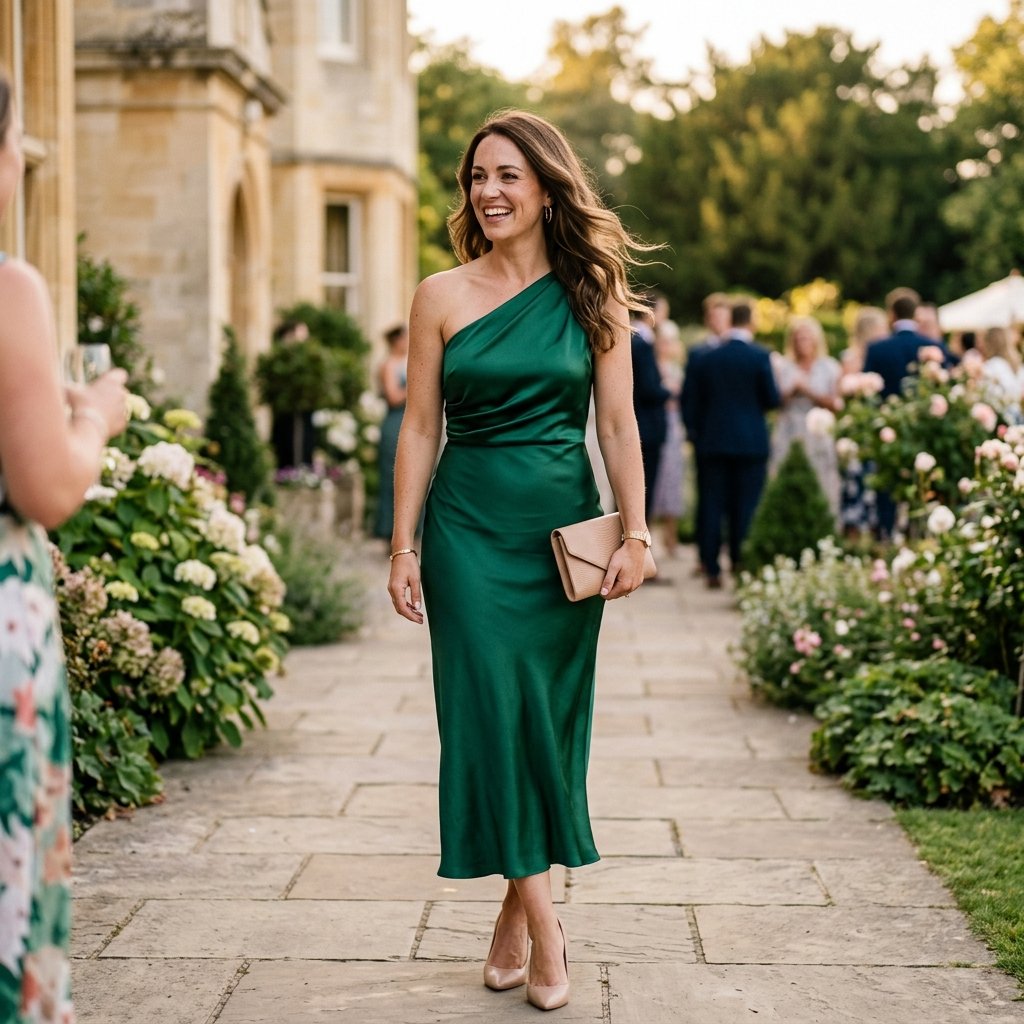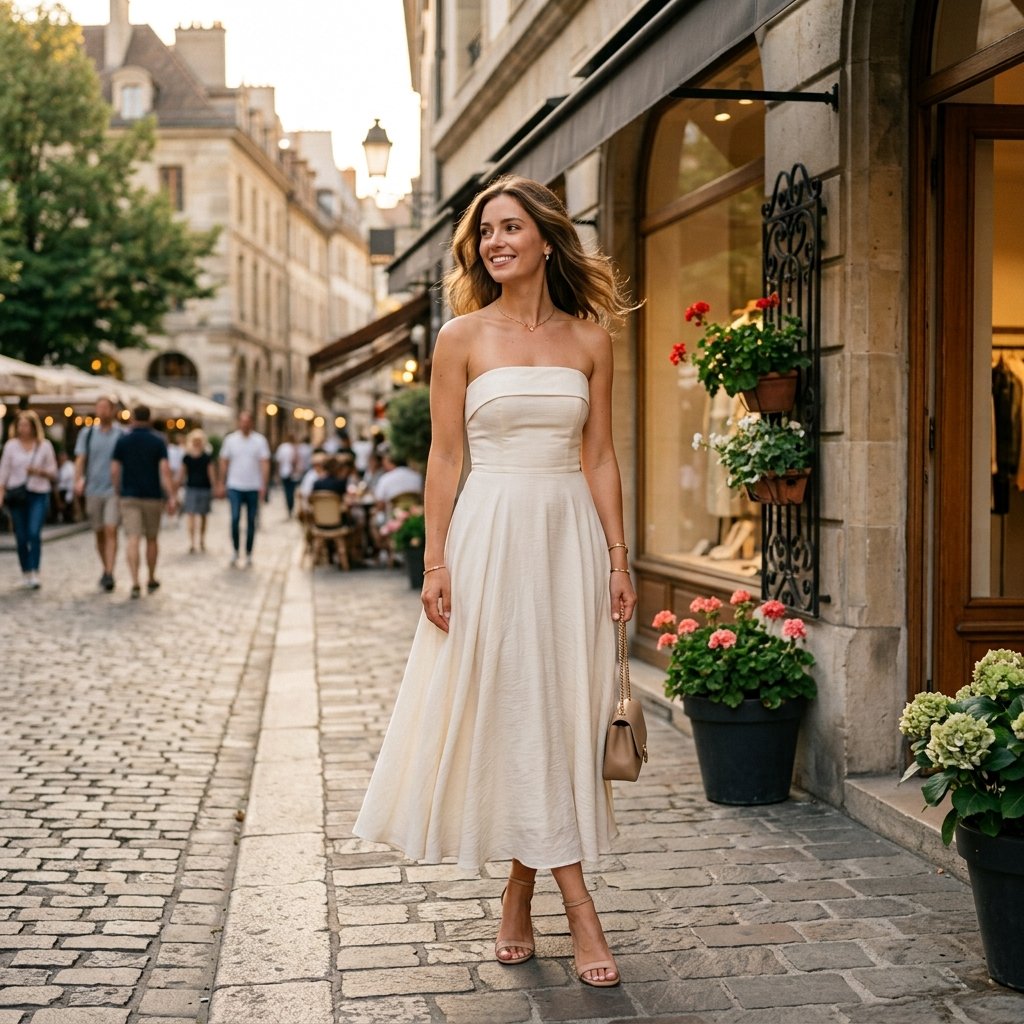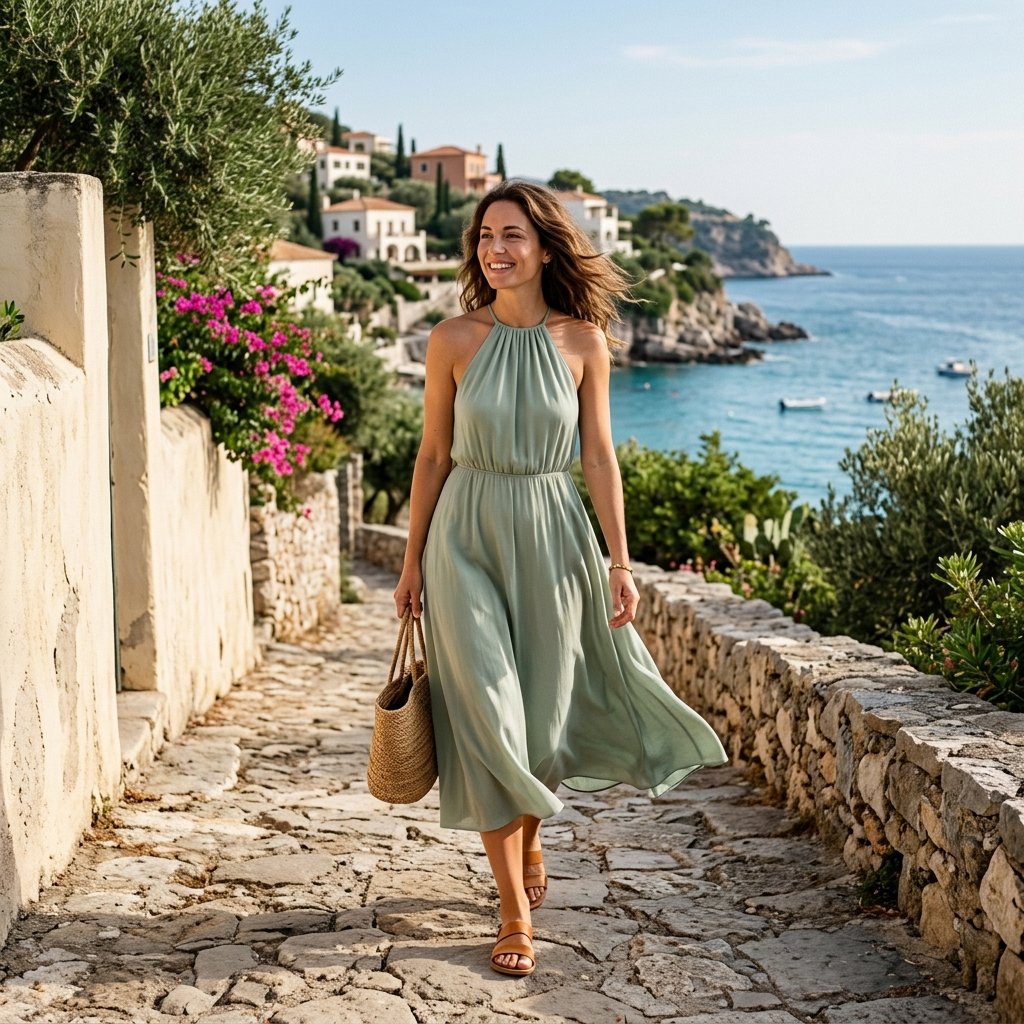
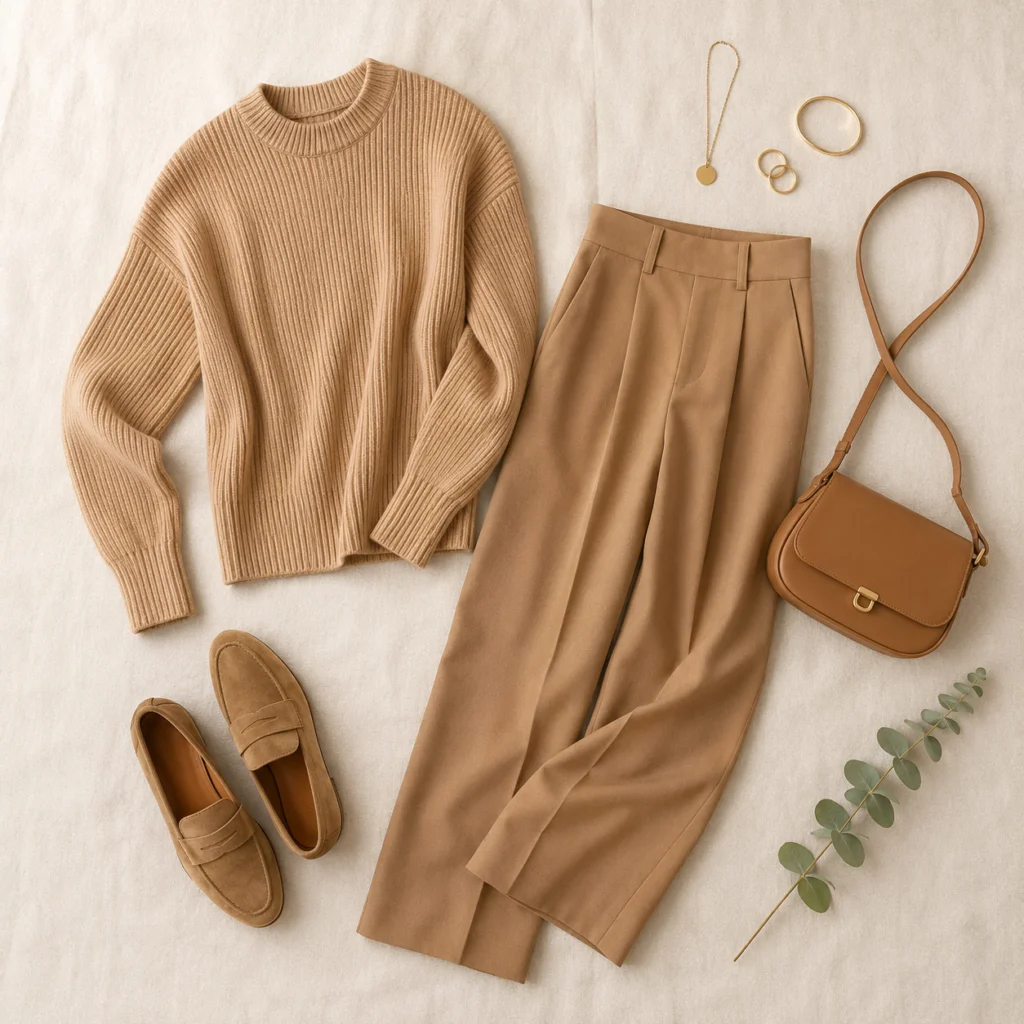
I wore head-to-toe camel to a work lunch last fall and got three compliments before the appetizers arrived. Nothing fancy, just one of my favorite monochrome outfits: a ribbed sweater, wide-leg trousers, and suede loafers. The same pieces I’d worn a dozen times separately with zero reaction. The difference? One color. That’s it. When everything works in the same shade family, an outfit instantly feels more polished, intentional, and expensive without any extra effort.
Monochrome outfits feel like cheating. You skip the mental math of matching, eliminate the “does this go?” spiral, and somehow look more pulled-together than people who spent twice as long getting ready. I resisted this for years because I assumed single-color dressing was boring or required expensive matching sets. Wrong on both counts.
Why Single-Color Dressing Creates an Instant “Expensive” Effect
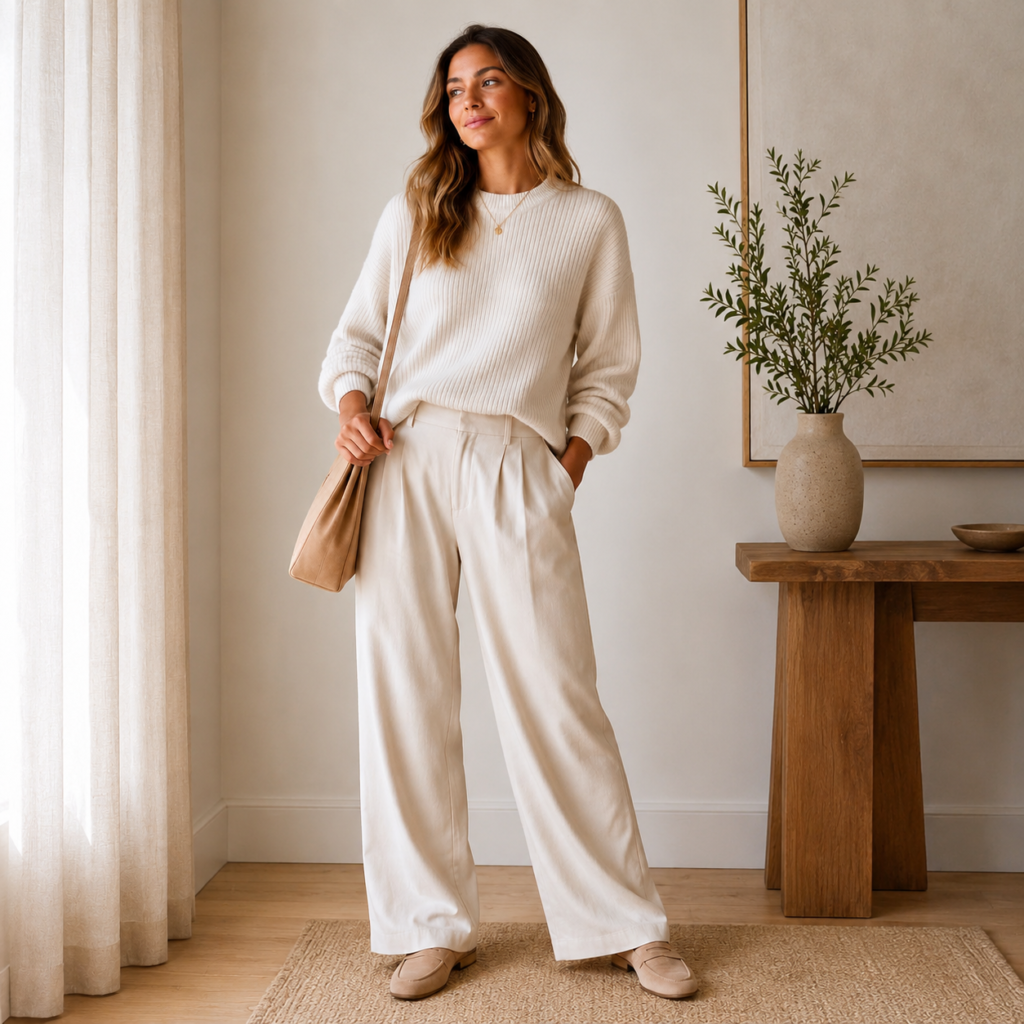
Here’s something most fashion sites won’t tell you: monochrome outfits trick the eye into seeing one long, unbroken line. That visual continuity creates the illusion of height and proportion that typically requires tailoring. Your eye travels from shoulder to shoe without interruption.
The effect works regardless of body type or height. I’m 5’4″ with a longer torso, and head-to-toe olive green makes me look like I’ve got legs for days. My friend who’s 5’9″ wears all-white in summer and looks like a vacation advertisement.
The real magic is texture variation. Wearing different fabrics in the same color family prevents the look from reading as a uniform or costume. A chunky knit with silk trousers. A cotton tee with leather pants. Linen shirt over ribbed tank. The color stays consistent but the visual interest comes from how light hits different materials differently.
Most people assume you need perfectly matched pieces. You don’t. In fact, slight tonal variation often looks more intentional than exact matching, which can read as a purchased set rather than a styled outfit.
The Colors That Actually Work (And the One I’d Skip Unless You Love Dry Cleaning)
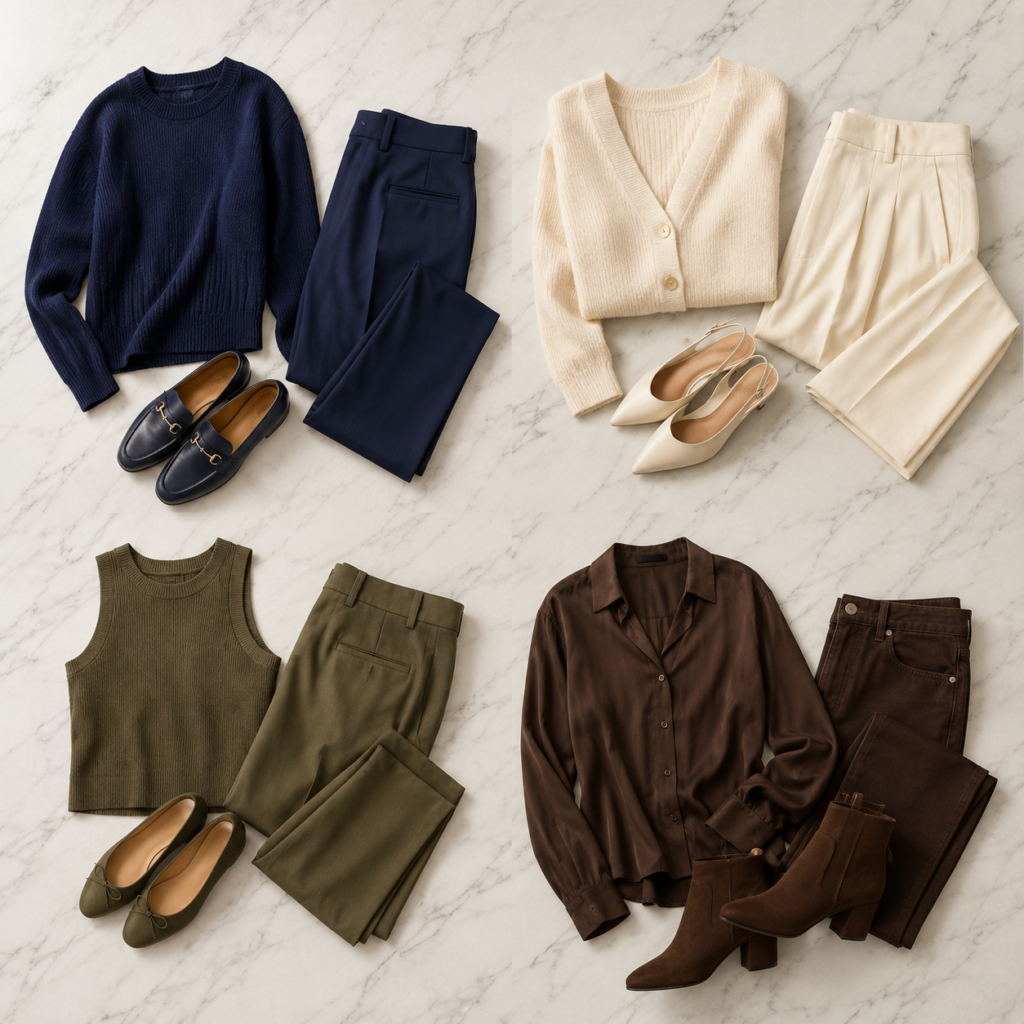
Not every color translates well to head-to-toe wear. Some read as sophisticated, others read as costume. After experimenting more than I’d care to admit, here’s what I’ve observed actually works across different skin tones and occasions.
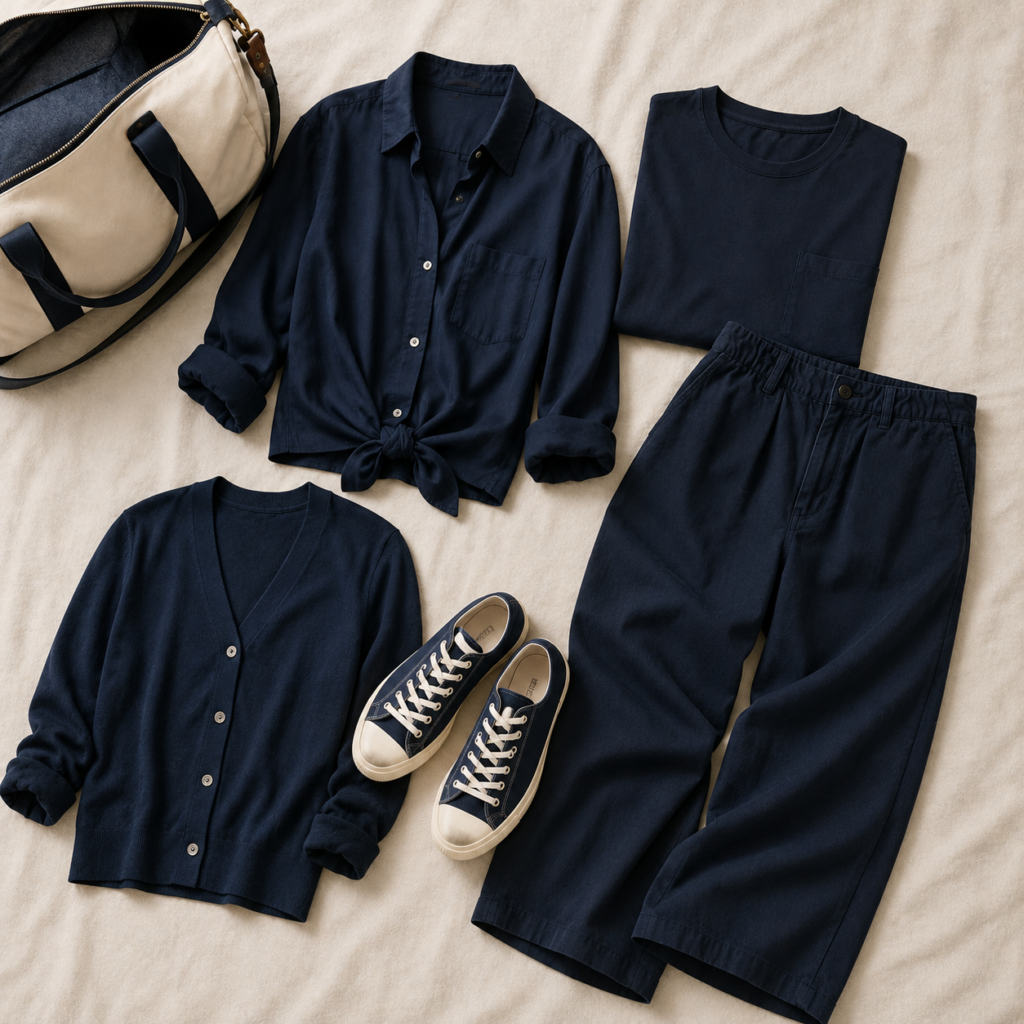
Navy blue works for almost everyone and almost every situation. It reads as intentional without being aggressive. Navy monochrome can go to a job interview, a dinner date, or a Saturday market run. The pieces stay useful even when you break up the outfit later.
Cream and off-white look incredible but require fabric consciousness. Structured cotton and linen hold up. Silk and cashmere show every wrinkle and water spot. I ruined a cream silk tank at my cousin’s outdoor wedding, spilled exactly two drops of champagne and that was that.
Olive and forest green suit more people than you’d expect. These earth tones work beautifully on warm and cool undertones alike, though they photograph best in natural light.
Chocolate brown has a comeback moment right now, and for good reason. It feels warmer than black, more current than navy, and pairs with gold jewelry like they were made for each other.
Black obviously works, but it’s worth noting that head-to-toe black requires more texture variation than other colors to avoid looking flat. Different black dyes also rarely match perfectly, which is why that black sweater looks off with those black pants.
All-white is the one I’d skip for practical purposes unless the pieces are machine-washable or you enjoy living at the dry cleaner. It photographs beautifully but the maintenance reality exhausts me.
Build This Monochrome Look
Building a Monochrome Outfit When You Don’t Own Matching Sets (The Tonal Trick)
Here’s where most people get stuck. You want to try monochrome but you don’t own a perfectly coordinated outfit. Good news: you probably already have what you need.
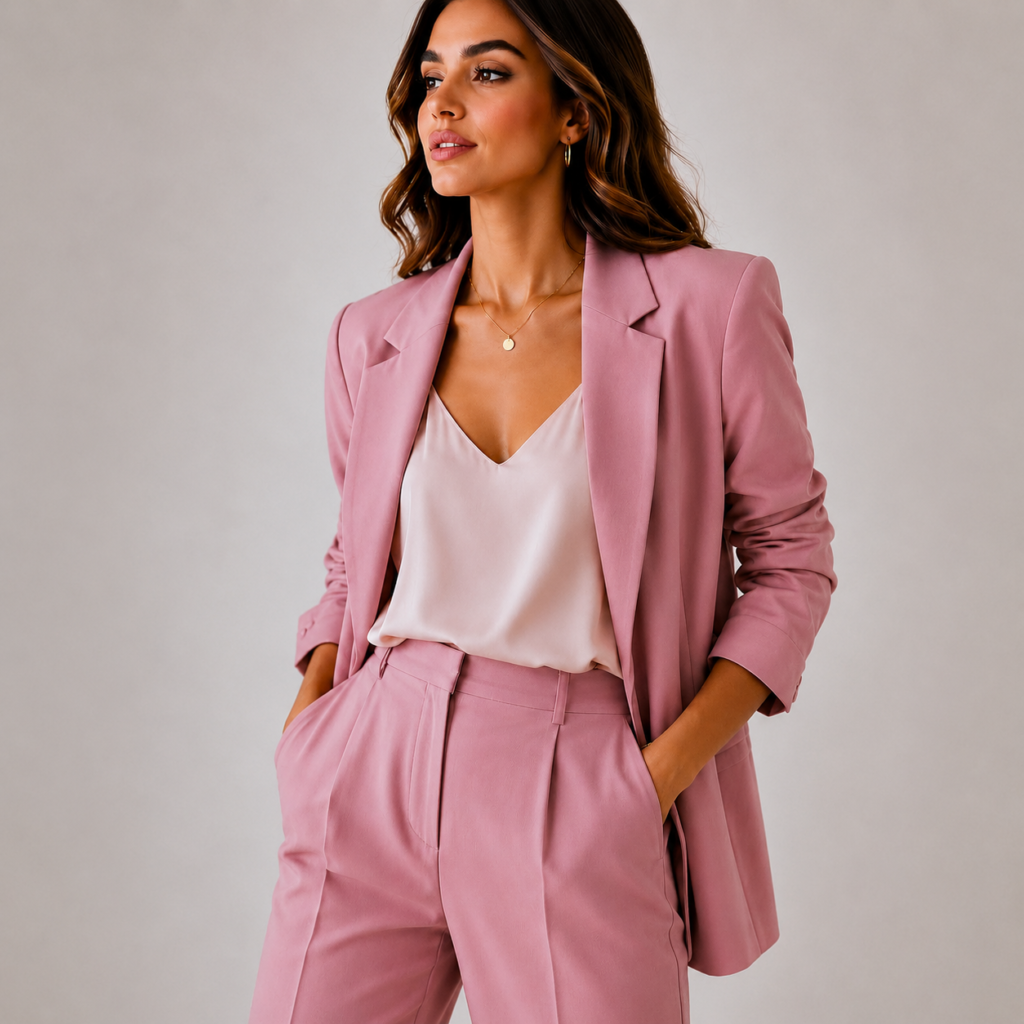
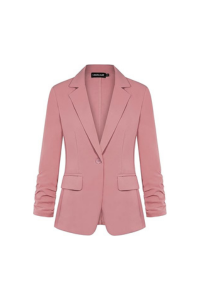
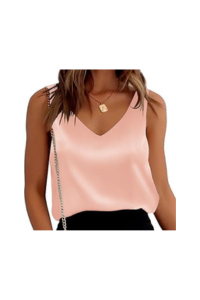
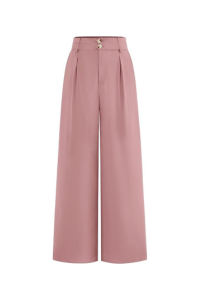
Monochrome doesn’t require exact color matching. Tonal dressing, staying within the same color family rather than the identical shade, often looks more sophisticated than precise matching. A pale blush silk camisole under a dusty rose blazer with mauve trousers. All pink family, all different shades. The variation reads as intentional.
Start by pulling everything you own in one color family and laying it out. You’ll likely discover combinations you never considered. That grey cashmere sweater with slate linen pants and charcoal leather mules? Monochrome outfit hiding in your closet.
The key is keeping undertones consistent. Warm browns play well together, caramel, cognac, tan, rust. Cool greys work in combination, silver, pewter, charcoal, slate. Mixing warm and cool undertones within the same color family is where things start looking accidental rather than styled.
When in doubt, the lightest shade goes closest to your face and the darkest anchors the bottom. This creates a natural gradient that flatters most body types. Though breaking this rule intentionally, dark top with light bottom, creates an equally polished different silhouette.
The Pieces That Pull It Together
The Shoe and Bag Decision That Makes or Breaks the Whole Look
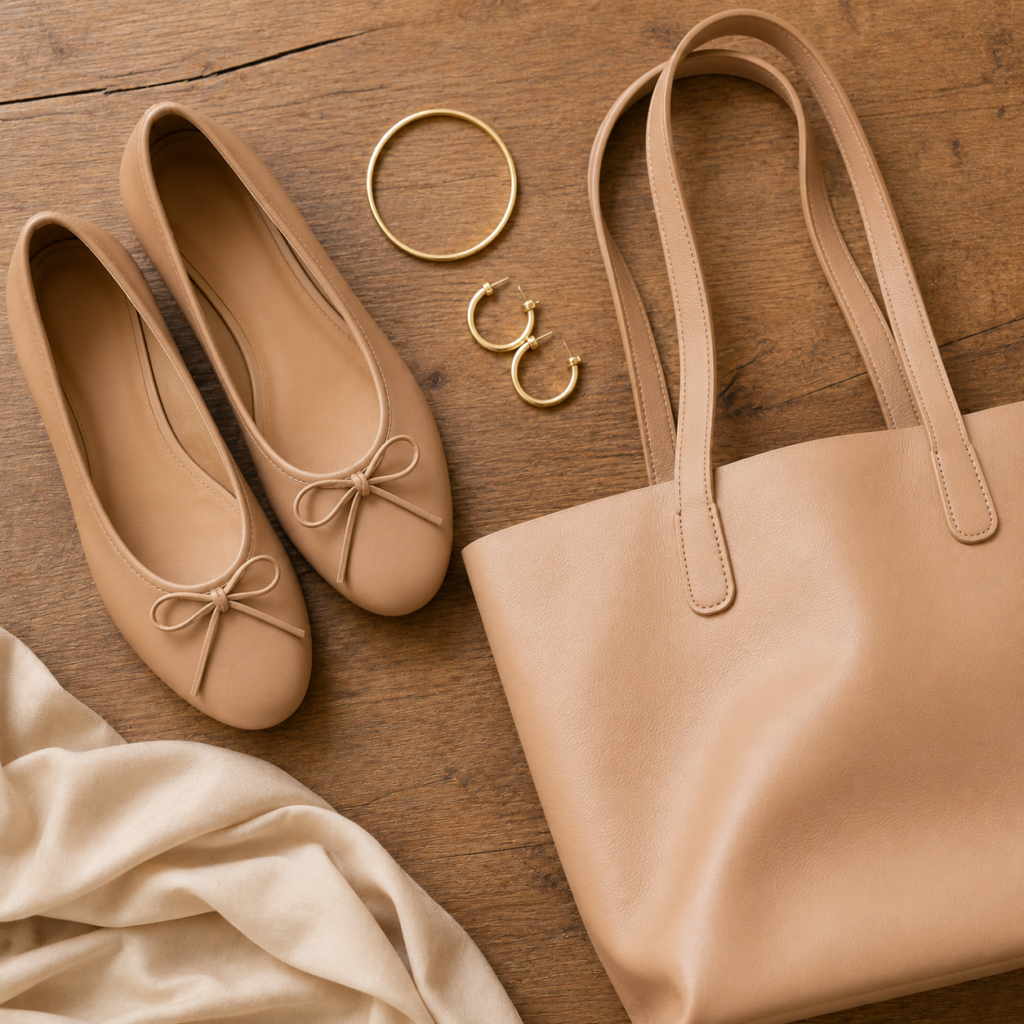
Accessories can either complete your monochrome outfit or accidentally demolish it. I learned this the hard way wearing all burgundy with black ankle boots because they were the only clean shoes I had. The outfit looked unfinished. Off.
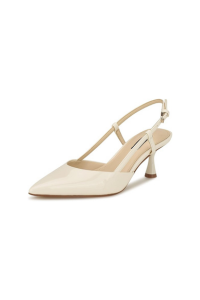
For true single-color impact, your shoes need to stay in the color family. They don’t need to match exactly, a slightly lighter or darker shoe within the same tonal range works fine. What breaks the look is high contrast. Black shoes with an all-cream outfit creates a visual full stop at your ankles that shortens your proportions.
The exception is metallics. Gold or silver shoes function almost as neutrals with most monochrome palettes. I wear bronze ballet flats with all-brown outfits and champagne slides with all-cream, and both read as intentional extensions of the color story rather than disruptions.
Bags follow the same logic. When I’m committed to a monochrome outfit, I either match the bag to the color family or go with a nude or metallic that disappears into the overall look. A contrasting bag becomes the focal point, which isn’t wrong, it’s just a different styling choice.
One genuine recommendation: nude-to-you flats. Not “nude” as a generic beige, but the shade that actually matches your skin tone. These shoes virtually disappear and make any monochrome outfit read as longer and more cohesive. I’ve been wearing the Naturalizer Flexy flat for two seasons in a shade that matches my skin, and they’ve become my monochrome secret weapon.
Where Monochrome Outfits Work Best (And When to Skip Them)
Monochrome dressing shines in situations where you want to look polished without appearing like you tried too hard. Work meetings. First dates. Traveling through airports. Events where the dress code is vague and you’re aiming for appropriate-for-anything.
I wore all-olive to meet my partner’s parents for the first time, silk button-down, cropped wide-leg pants, suede mules. Dressed up enough to show respect, relaxed enough not to look intimidating. The single color did all the work.
Travel is where I default to monochrome almost every time. Pack three or four pieces in one color family and everything coordinates automatically. No standing at the hotel mirror wondering what goes together. A navy capsule wardrobe takes maybe ten minutes to pack and covers casual sightseeing, nice dinners, and unexpected invitations.
Where I’d personally skip monochrome: outdoor events where you want to be visible in photos (one color can blend into backgrounds), extremely casual situations where the polish reads as overdressed, and any event where you genuinely want a specific piece to be the focal point. Sometimes you bought that printed skirt for a reason.
Also worth noting, job interviews in conservative fields sometimes call for the visual grounding of a contrasting blazer or structured element rather than a flowing single-color look. Know your industry.
How to Add Interest Without Breaking the Color Story
Monochrome doesn’t mean boring, and it doesn’t mean abandoning all visual interest. The trick is adding dimension through texture, shine, structure, and proportion rather than color contrast.
Jewelry in your metal of choice, gold if warm tones, silver if cool, adds luminosity without introducing new colors. I layer thin gold chains with all-camel outfits and the effect is subtle warmth rather than disruption. Statement earrings work especially well because they frame your face without competing with the outfit’s clean line.
Belts in the same color family cinch and define without creating that visual break. A cognac leather belt with an all-brown outfit. A cream woven belt with off-white linen. This creates shape and interest while maintaining the single-color impact.
Sunglasses follow the same logic as metallics, tortoise shell and black frames function as neutrals that don’t disrupt most color stories. Bright red sunglasses on an all-grey outfit is a choice, but it’s no longer a monochrome outfit. It’s a grey outfit with red sunglasses.
The one addition that never breaks a monochrome look? A clear or nude bag. These function almost as invisible accessories, letting the outfit speak while still being practical.
FAQ
Can you wear prints in a monochrome outfit?
Technically yes, if the print stays within your color family. A cream sweater with cream and tan leopard print skirt maintains the single-tone effect. But solid pieces generally create a cleaner monochrome impact, prints tend to compete.
What’s the difference between monochrome and neutral outfits?
Monochrome means one color family from head to toe, all blue, all green, all pink. Neutral outfits mix beiges, whites, blacks, and greys together. A tan and cream outfit is neutral dressing. An all-tan outfit is monochrome.
Do shoes really need to match in monochrome outfits?
They don’t need to match exactly, but staying in the same color family or using metallics keeps proportions long. High-contrast shoes, black with all-cream, white with all-navy, create a visual stop that breaks the single-color effect.
Your Closet Probably Has Three Monochrome Outfits Hiding Right Now
Monochrome outfits remove the morning decision fatigue while making you look more intentional than a carefully coordinated multi-color ensemble. The trick is texture variation, tonal range within a color family, and accessories that extend rather than interrupt the color story.
Start with what you own. Pull everything in one color family and see what combinations emerge. That first compliment you get, and you will get one, will convert you entirely.
Pick a color. Commit to it. Walk out the door knowing you look completely put-together. That’s the whole thing.