The difference between a good outfit and a chic outfits isn’t the price tag. It’s the intention behind every piece you wear. I’ve watched women walk into rooms wearing head-to-toe designer labels and look completely forgettable. Then I’ve seen someone in a $30 dress command every glance because she understood something most fashion advice never teaches: chic is a system, not a shopping spree.
Whether you’re 17 or 57, building chic outfits follows the same principles. This guide breaks down exactly how to create that polished, put-together look that makes people assume you spent way more than you did. Let’s get into it.
Understanding the Anatomy of Chic Outfits
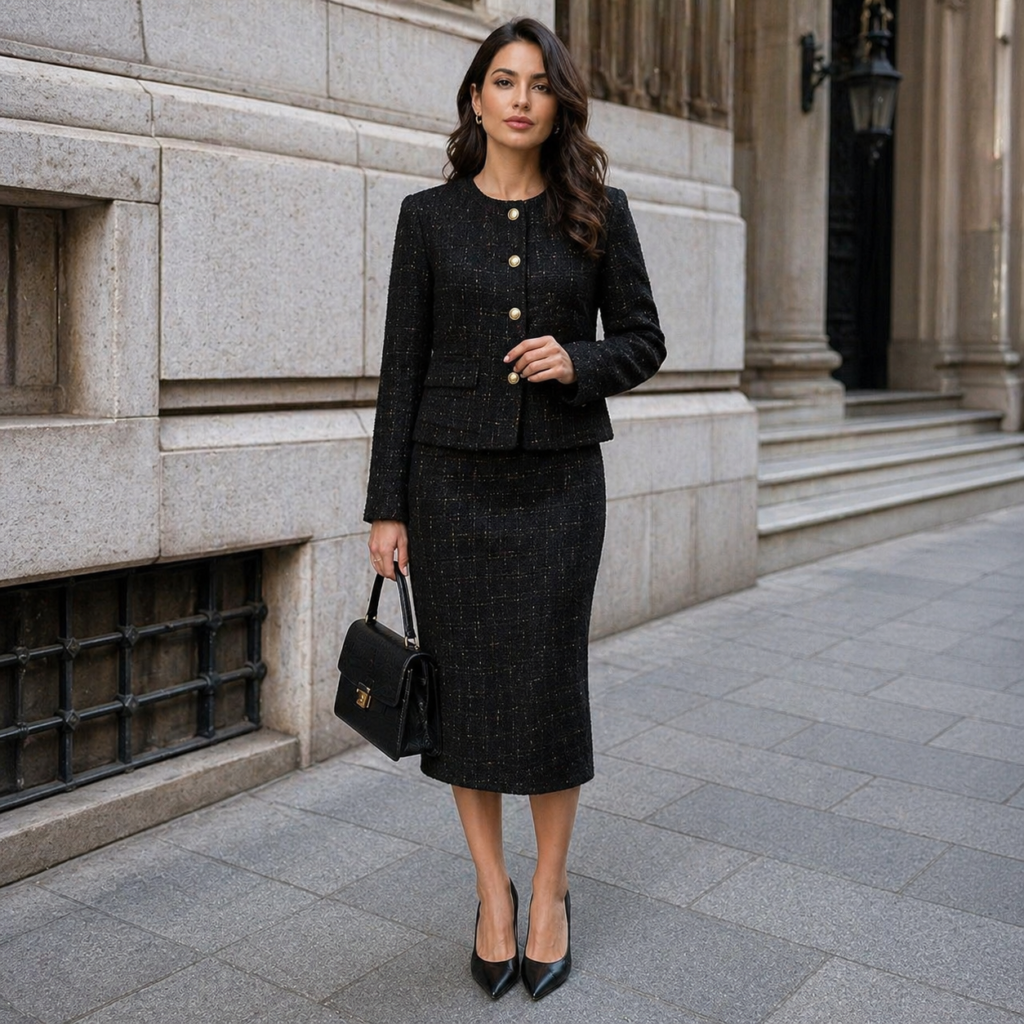
Every truly chic outfit shares three invisible qualities: proportion, intentional color, and one unexpected element. Miss any of these, and you’ll look dressed. Hit all three, and you’ll look styled.
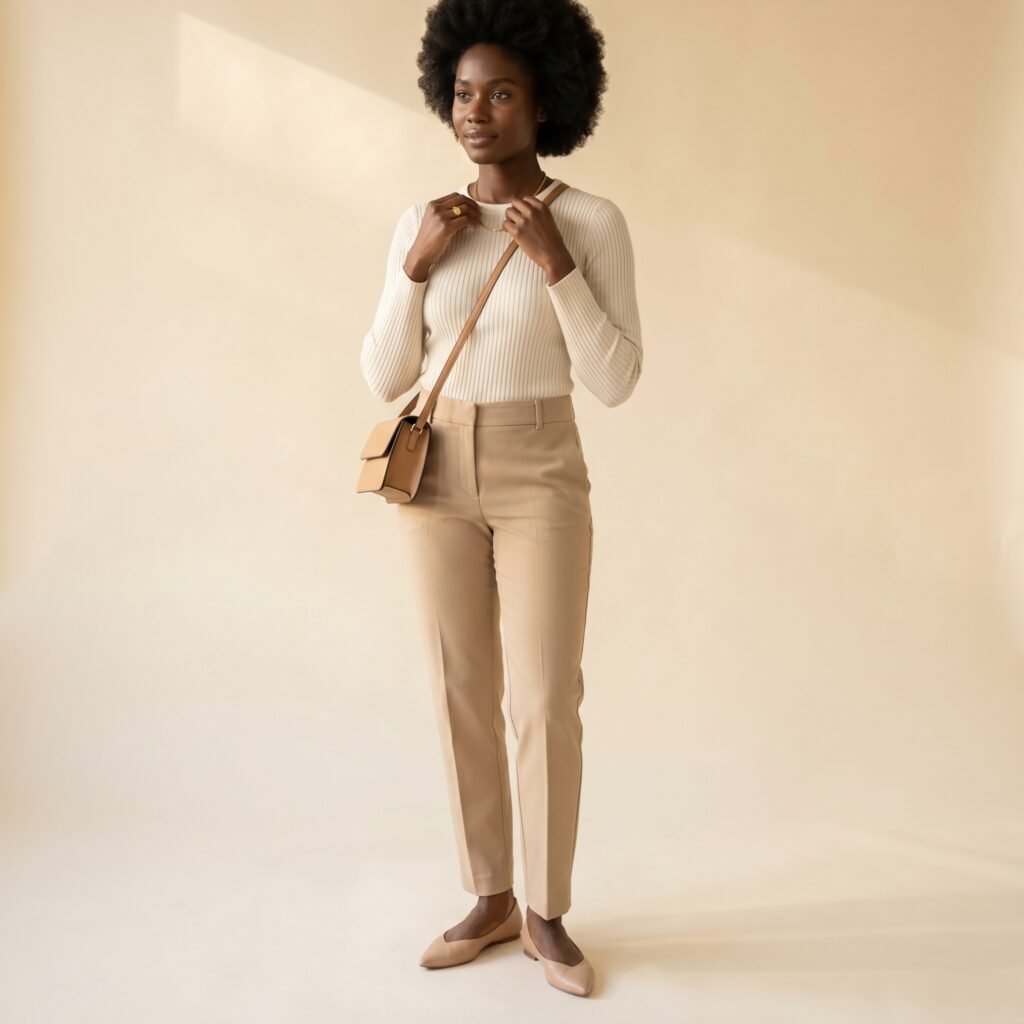
Proportion means your silhouettes work together rather than fight. A voluminous blouse tucks into high-waisted tailored trousers. A fitted turtleneck balances wide-leg pants. An oversized blazer layers over a slim midi dress. The formula works whether you’re petite, tall, curvy, or straight-figured. You’re creating visual harmony by varying volume strategically.
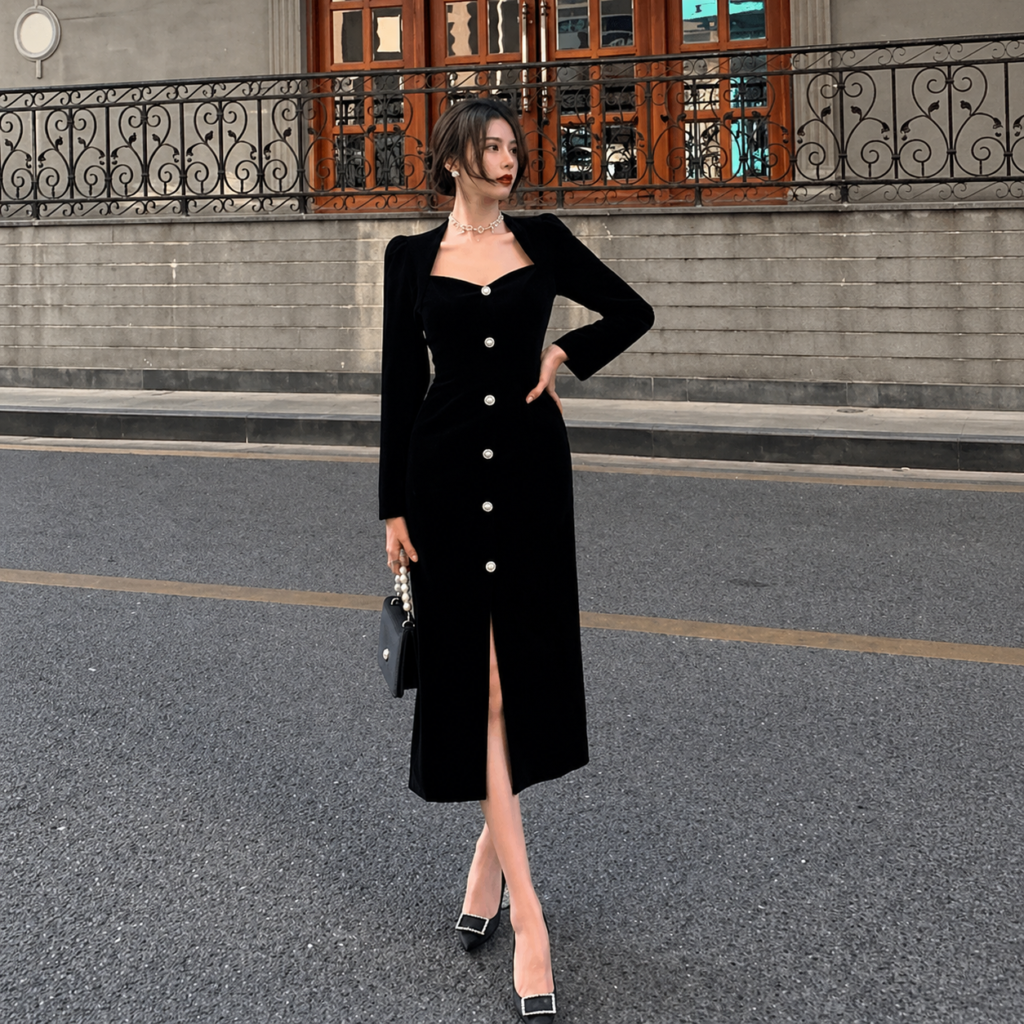
Intentional color separates chic outfits from random combinations. This doesn’t mean wearing all neutrals. It means your palette feels deliberate. A navy and cream combination with cognac accessories reads expensive. So does all black with one pop of burgundy. The key is limiting your palette to three colors maximum and letting those colors feel connected.
The unexpected element is what most women skip entirely. It’s the vintage brooch on a modern blazer. The red lip with an otherwise neutral outfit. The unexpected sock peeking from loafers. French women have built entire reputations on this single principle. One small rebellion against “matching perfectly” creates intrigue.
Here’s something most style guides won’t tell you: the most chic women I’ve styled break exactly one fashion “rule” per outfit. They wear white after Labor Day. They mix gold and silver. They pair sneakers with silk dresses. But they only break one rule, and they do it with total confidence. That restraint is what separates quirky from chic.
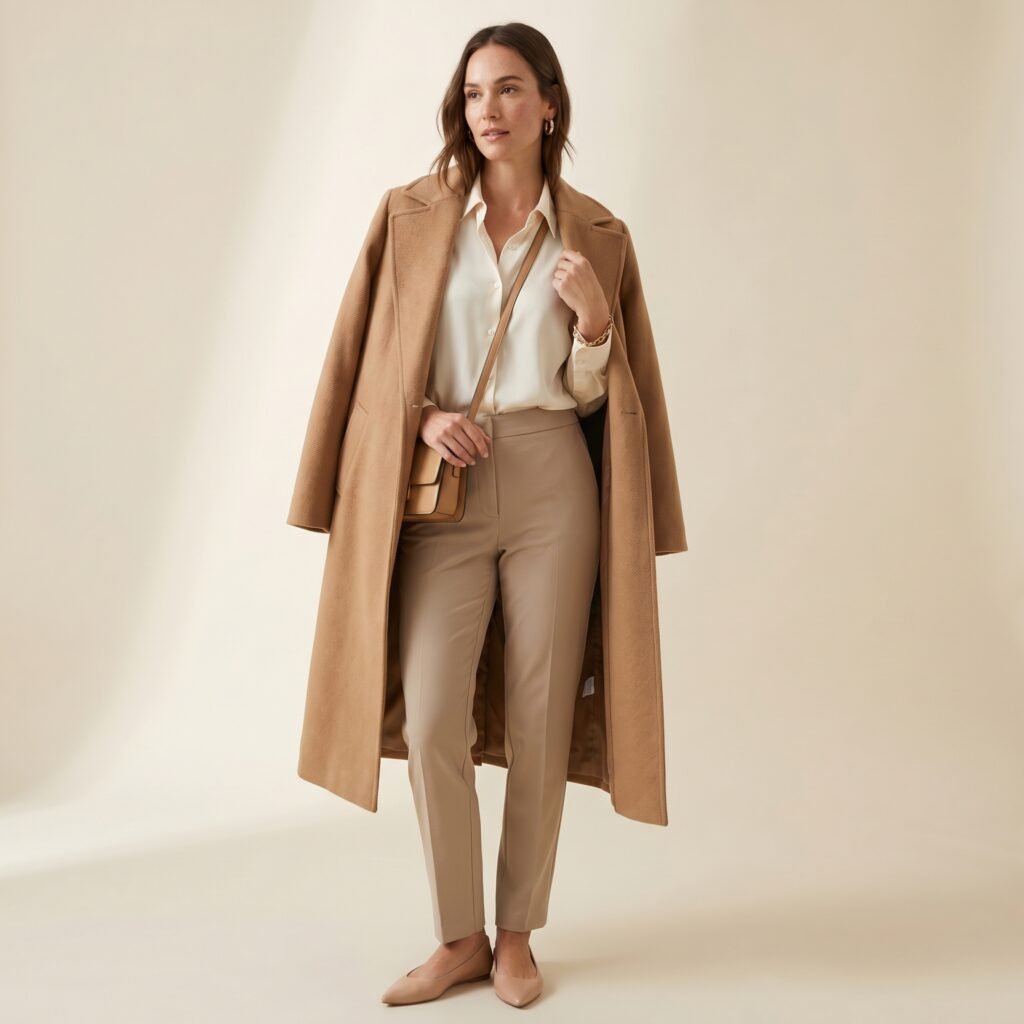
Recreate This Look
Building Your Chic Color Foundation
The fastest shortcut to chic outfits is mastering a personal color story. This isn’t about seasonal color analysis, though that can help. This is about identifying which neutrals make your skin glow and which accent colors feel authentically you.
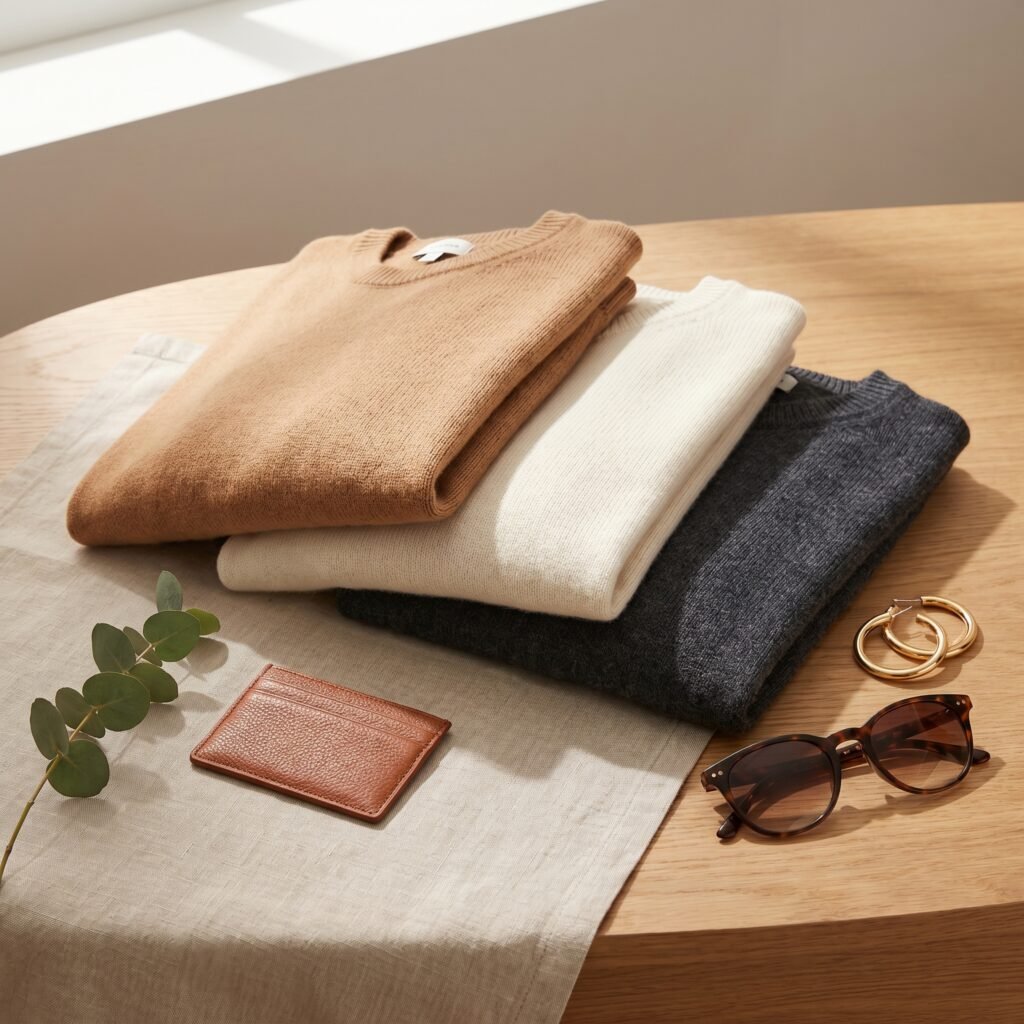
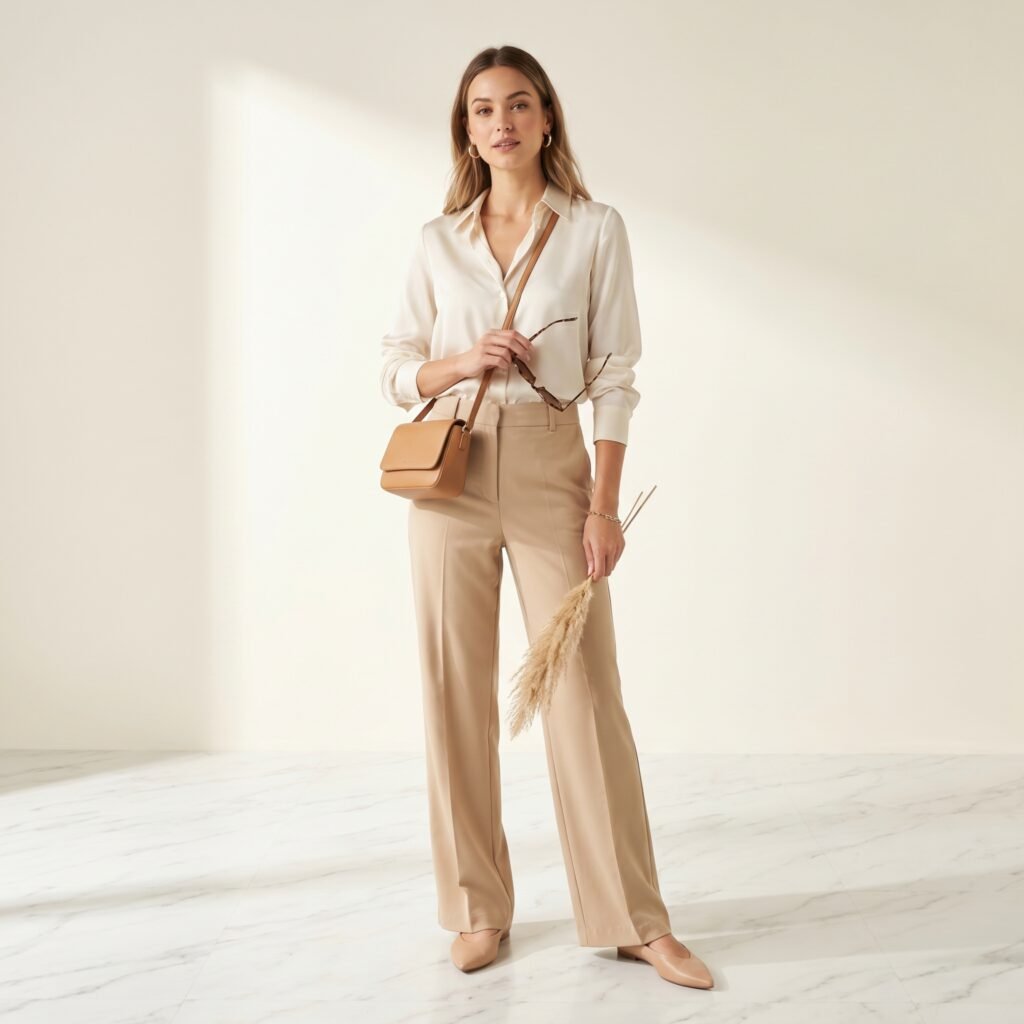
Start with your neutrals. Not everyone looks best in black. Some women absolutely radiate in navy, charcoal, or espresso brown instead. Warm skin tones often shine in camel, cognac, and warm white rather than stark black and cool gray. Test your neutrals by holding each color under your chin in natural light. The right neutral makes your face look alive. The wrong one makes you look tired.
Once you identify your two to three core neutrals, choose two accent colors that feel like you. Maybe it’s burgundy and forest green. Maybe it’s cobalt blue and coral. These become your “pop” colors for bags, shoes, scarves, and statement pieces. When everything in your wardrobe connects through this palette, getting dressed becomes almost effortless.
The chic outfit secret nobody talks about: work across decades because they’re rooted in colors, not trends. A 19-year-old and a 55-year-old can both wear navy trousers with a cream blouse and gold jewelry. The silhouettes might vary based on preference, but the color foundation transcends age completely.
I’ll be honest with you. The greige and oatmeal trend looks expensive in photos but washes out most skin tones in real life. If you’ve tried the head-to-toe neutral look and felt invisible, it’s not you. Add one rich color, even just in your lipstick or bag, and watch the entire outfit transform.
The Outfit Breakdown
The Fabric Hierarchy That Creates Instant Polish
Fabric quality is where chic outfits become non-negotiable. You can have perfect proportions and beautiful colors, but cheap-looking fabric undermines everything. The good news: elevated fabrics exist at every price point if you know what to look for.
Natural fibers photograph and wear better than synthetic alternatives. Cotton, linen, wool, and silk blends hold their shape, drape properly, and develop beautiful character over time. When shopping affordable brands, check the fabric content before anything else. A cotton-modal blend will always outperform 100% polyester, even at the same price.
Fabric weight matters enormously for looking expensive. Thin, flimsy material screams budget. Substantial weight whispers quality. When you pick up a piece, feel its heft. A heavy cotton tee looks more luxurious than a thin silk blouse. A structured linen blazer beats a cheap wool-blend every time. Weight creates presence.
The drape test reveals everything about fabric quality. Hold any garment at the shoulder seams and let it hang naturally. Good fabric falls in clean lines. Cheap fabric bunches, wrinkles, or pulls in strange directions. This test works in any dressing room and saves you from pieces that will never look right no matter how perfectly they fit.
According to textile researchers, consumers consistently rate garments with higher natural fiber content as looking more expensive, regardless of actual price point. Your eye naturally recognizes quality fabric even when you can’t articulate why.
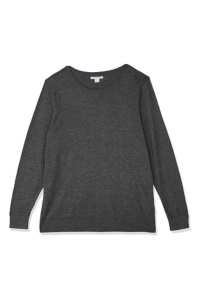
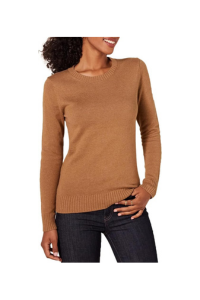
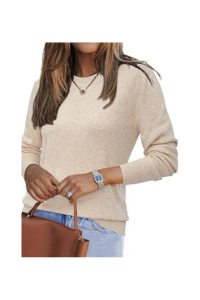
The Amazon brands I recommend consistently perform well on the fabric test. The Drop uses stretch cotton blends that hold their shape. Daily Ritual focuses on modal and rayon blends that drape beautifully. Lark & Ro incorporates ponte and crepe fabrics that read far more expensive than their prices suggest.
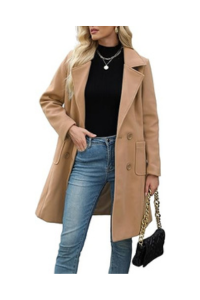
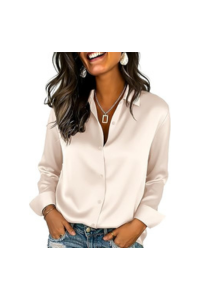
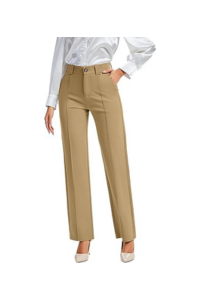
Amber’s Picks
Accessorizing for Elevated Chic Outfits
Accessories are where chic outfits get their finishing magic. The right accessories transform basic pieces into complete looks. The wrong accessories cheapen everything you’re wearing. This is where intention matters most.
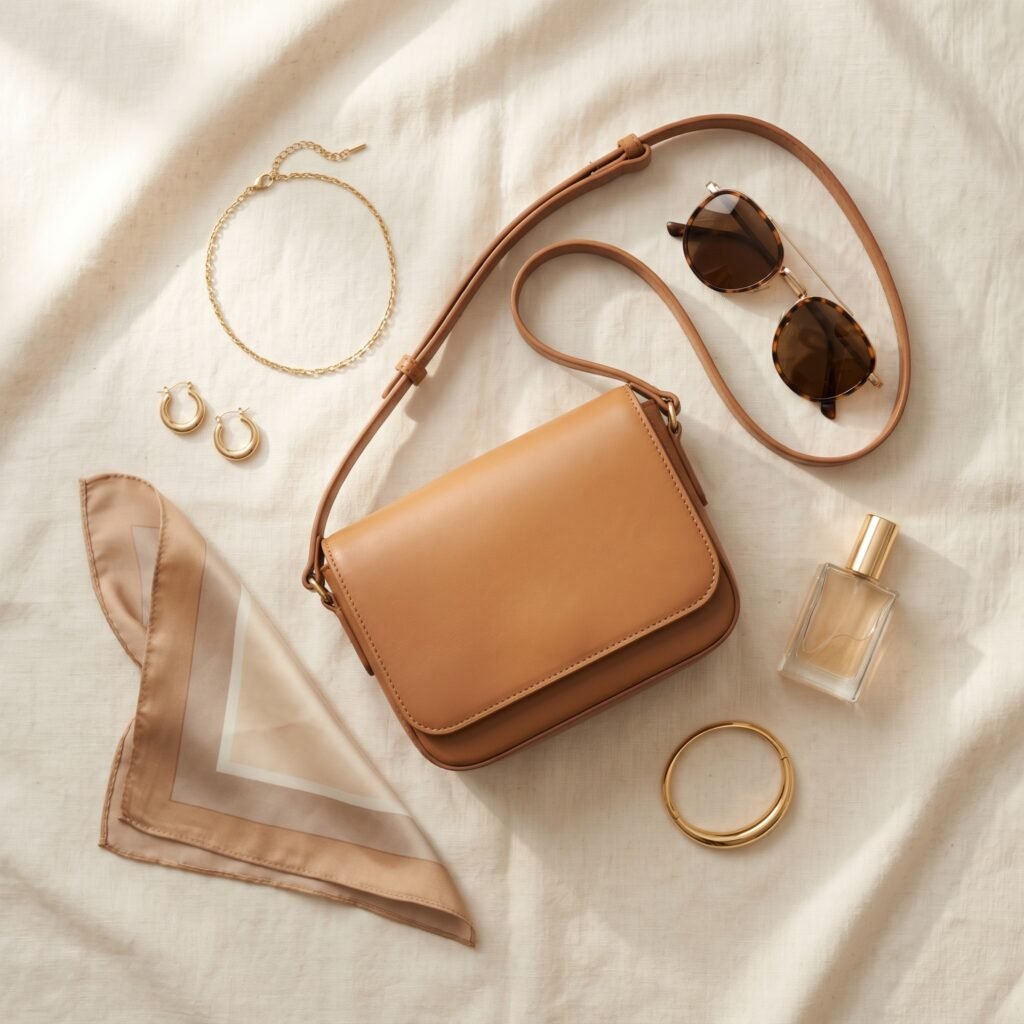
The quality-over-quantity principle hits hardest with accessories. One beautiful leather bag outperforms five trendy styles every time. One pair of well-made gold hoops serves you better than twenty costume pieces. Chic women invest in fewer, better accessories and wear them confidently on repeat.
Jewelry should look intentional rather than accidental. The current trend toward layered necklaces and stacked rings can read as cluttered quickly. The chic approach: choose one focal point per outfit. Either statement earrings OR a layered necklace stack OR a bold bracelet. Never all three competing for attention.
Shoes make or break chic outfits faster than any other element. A pointed toe reads more polished than a rounded toe. Nude tones elongate your silhouette. Clean, well-maintained shoes signal attention to detail. This doesn’t mean uncomfortable shoes. Comfortable pointed-toe flats exist. Block heels offer stability. But shape and condition matter enormously.
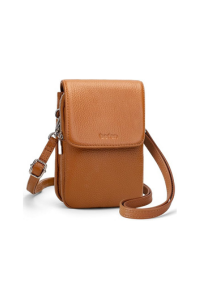
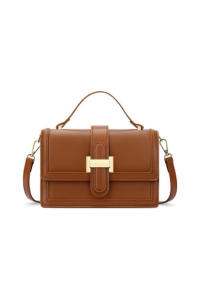
Your bag tells a story about your organizational style. A structured bag with clean lines looks more expensive than a slouchy tote, even when the slouchy tote actually costs more. For everyday chic, choose bags with minimal hardware, quality leather or leather-look material, and a shape that holds its form. Crossbody styles work across every age group and free your hands for real life.
Found It For Less
Creating Chic Outfits for Real Life Moments
Theory matters, but chic outfits have to work in your actual life. Here’s how these principles translate to moments you’ll actually experience, whether you’re heading to class, a corporate meeting, weekend brunch, or date night.

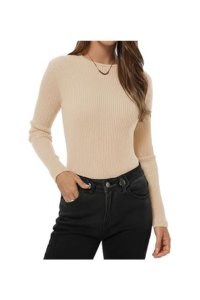
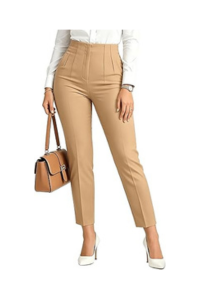
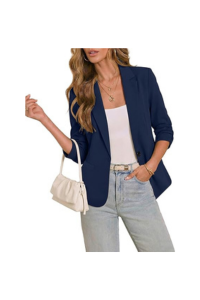
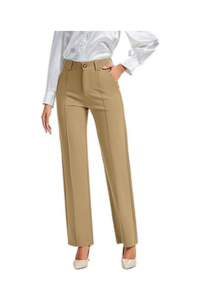
For work and professional settings, the chic formula is a streamlined silhouette plus one quality accessory. A tailored blazer over a simple knit top with well-fitted trousers needs only a structured bag and classic pumps to look polished. Skip the statement jewelry for the office. Let the tailoring speak.
Weekend chic follows the French principle of effortless polish. Swap your graphic tees for solid colors in quality fabrics. Trade athletic leggings for a well-fitted straight leg or wide leg jean. Add a clean sneaker or loafer instead of running shoes. The effort level stays the same, but the visual impact transforms completely.
Evening chic simply elevates the same foundations with intention. A silk camisole instead of cotton. A pointed-toe heel instead of a flat. A bold lip instead of bare. Evening chic isn’t about wearing something completely different from your daytime style. It’s about amplifying your existing with strategic swaps.
The multi-generational truth about chic outfits: a teenage girl and her mom can both look equally polished using these principles. The teen might choose a cropped blazer while mom prefers hip-length. The teen might add chunky gold hoops while mom chooses delicate drops. But both are working from the same foundation of proportion, intentional color, and quality fabric.
Make It Yours
The Styling Details That Separate Good From Great
Small details create massive visual differences in chic outfits. These are the finishing touches that most women skip but that stylists know change everything.
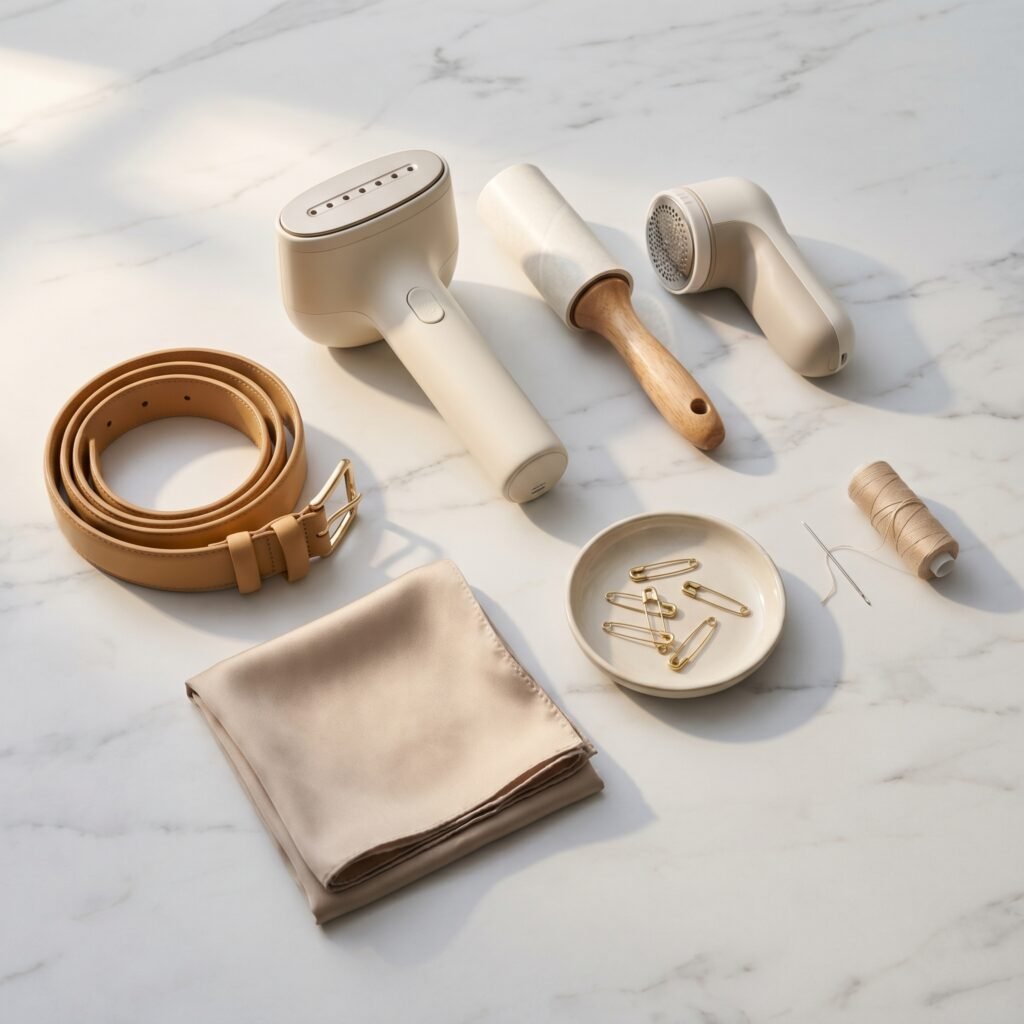
Steaming or pressing your clothes transforms them instantly. A wrinkled silk blouse looks cheap regardless of its actual quality. A pressed cotton shirt looks expensive even when it cost under $25. Invest in a garment steamer. Use it before you walk out the door. This single habit elevates every outfit you own.
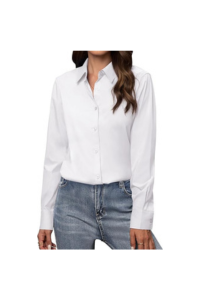
The half-tuck and the French tuck create instant shape. Tucking the front of your top into your waistband while leaving the back loose defines your waist and creates proportion. Full tucks work for tailored pieces. No tuck works for oversized silhouettes. But the strategic partial tuck works for most bodies and most moments.
Sleeve rolling should be done deliberately, not randomly. For blazers and button-downs, roll to just below the elbow in even cuffs. For sweaters, push sleeves up above the wrist. These details create visual interest and show intention. They suggest you thought about your appearance without overthinking it.
Your bra determines whether your outfit succeeds. A visible bra line through a silk blouse destroys the entire look. Incorrect bra color showing through white fabric screams oversight. Nipple visibility when you didn’t intend it becomes the focal point of your outfit. Seamless nude-to-you bras solve most issues instantly.
Frequently Asked Questions
Can you create chic outfits on a tight budget?
Absolutely. Chic is about understanding proportion, color, and fabric rather than spending more. Focus your budget on pieces you’ll wear repeatedly. A single quality blazer worn fifty times beats five trendy pieces worn twice. Shop secondhand for natural fiber basics.
What’s the biggest mistake women make trying to look chic?
Buying trendy pieces instead of flattering ones. A fashion-forward silhouette that fights your body will never look polished. A simple piece that fits perfectly and flatters your proportions always looks expensive. Fit trumps trend every time.
How do chic outfits differ for different age groups?
The foundations stay identical. Proportion, intentional color, and quality fabric work whether you’re 22 or 62. What changes is personal preference for silhouette, comfort, and self-expression. A cropped length might appeal to one generation while classic length appeals to another.
Your Chic Era Starts Now
Building consistently chic outfits isn’t about overhauling your entire wardrobe overnight. Start with one principle. Maybe you focus on proportion this week. Maybe you audit your neutrals next week. Small intentional shifts compound into a completely transformed aesthetic.
The women who always look effortlessly polished didn’t wake up that way. They learned these systems, practiced them until they became automatic, and now get dressed in five minutes looking like they spent an hour.
You now have the exact same information. Go get dressed like you mean it.