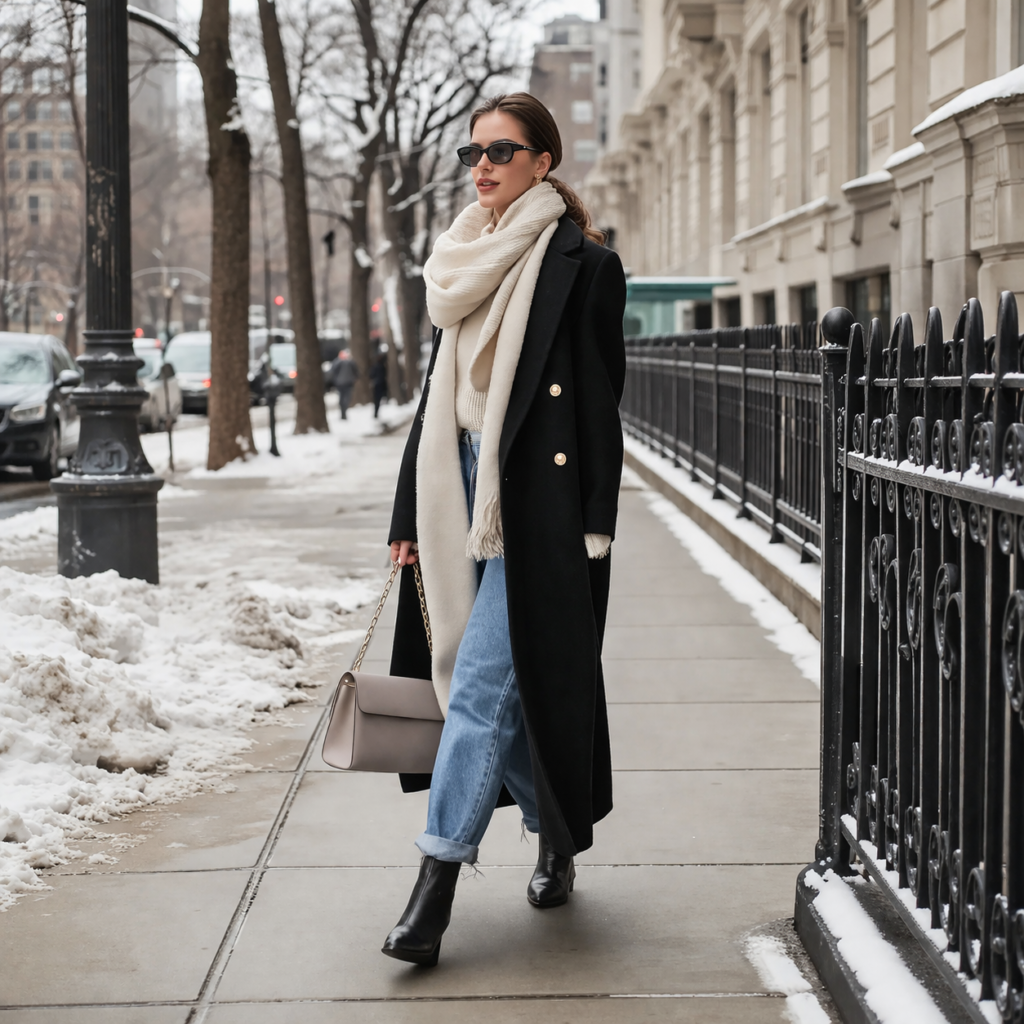
A perfectly layered winter look stops people mid sidewalk, and the best cold weather outfits create that exact effect. That moment when someone walks by looking effortlessly put together in freezing temperatures while you’re drowning in a shapeless puffer? That visual gap has nothing to do with budget and everything to do with understanding a few foundational styling principles.
Cold weather outfits for beginners don’t require a complete wardrobe overhaul or expensive designer pieces. They require strategy. The right base layers, intentional proportions, and a few versatile pieces that work together like a capsule collection. Whether you’re seventeen and figuring out your first winter aesthetic or fifty-two and tired of sacrificing style for warmth, these principles apply universally.
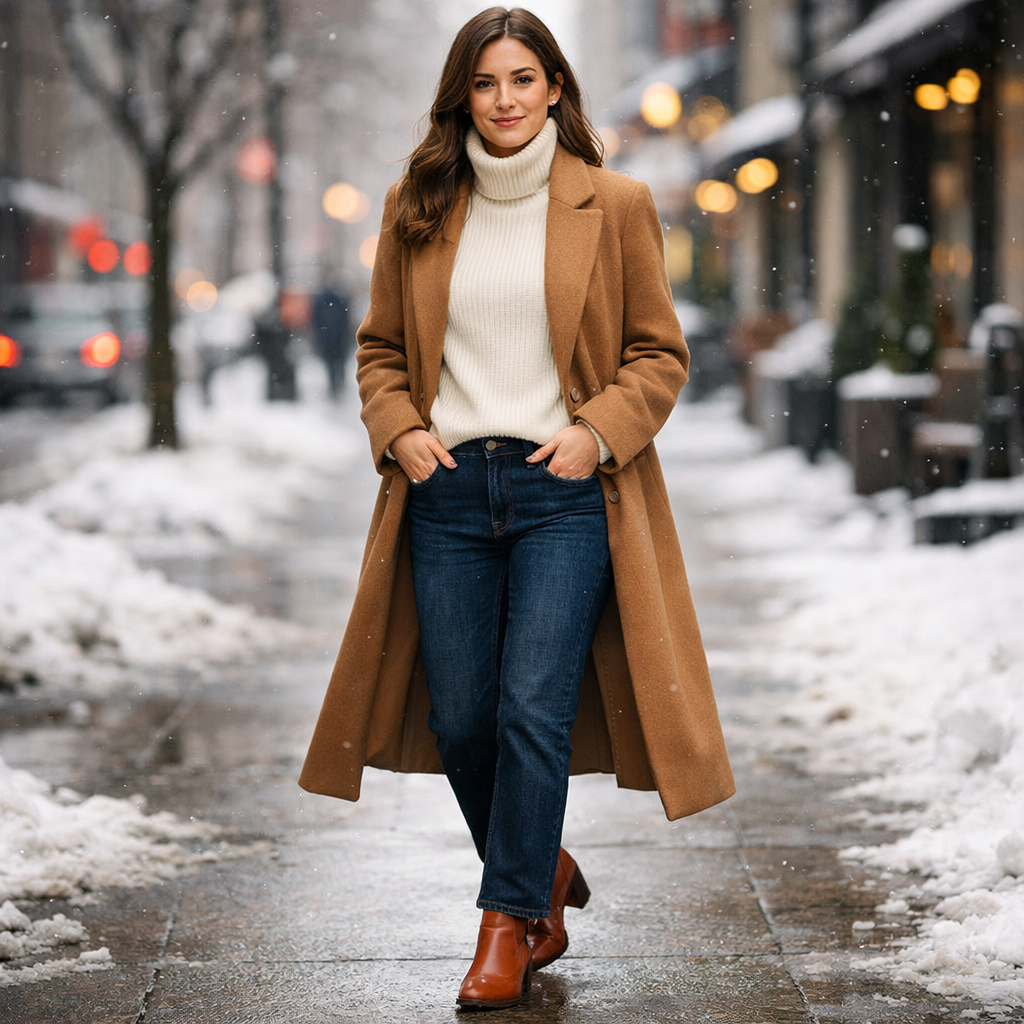
This guide breaks down everything from building your cold weather foundation to mastering the art of looking polished when it’s twenty degrees outside. No fluff, no vague advice, just the specific pieces and techniques that actually work.
Why Most Beginners Get Cold Weather Dressing Wrong
IMAGE NEEDED: 1024×1024, product-matched fashion photography, shot type: editorial close-up, woman wearing navy blue mock neck thermal base layer with thumbhole detail visible at wrist, background: neutral studio with soft shadows, warm soft diffused lighting, shot on Sony A7III with 85mm f1.4 lens shallow depth of field, ultra HD 8K, professional editorial fashion photography
The biggest mistake? Treating warmth and style as opposing forces. Most people pile on whatever thick items they own without considering how each layer interacts with the next. You end up looking bulky, feeling restricted, and still somehow cold because the layering system isn’t working efficiently.
Cold weather outfits for beginners should follow one rule: thin, fitted layers closest to your body, with structure and volume increasing as you move outward. This creates both insulation and visual interest. A tissue-thin thermal under a fitted turtleneck under a structured blazer under an oversized coat? That’s four layers that look like two and keep you warmer than one giant puffy jacket ever could.
The second mistake is ignoring your extremities. Eighty percent of body heat escapes through your head, hands, and feet. Investing in quality accessories isn’t about fashion, it’s physics.
The Essential Cold Weather Wardrobe: What You Actually Need

Building cold weather outfits for beginners starts with these non-negotiables. Every piece here works across decades of age and style preferences because they’re fundamentally flattering and endlessly versatile.
Base Layers
Your foundation determines everything. Look for fitted mock necks and turtlenecks in neutral colors, cream, black, charcoal, navy. These should fit close to the body without being restrictive. Merino wool blends are worth seeking out because they regulate temperature and resist odor better than cotton.
Mid Layers
This is where you add visual interest. Structured cardigans, fitted blazers, and chunky knit sweaters all work here. The key is choosing pieces with enough shape that they don’t add bulk when worn under a coat. A ribbed cardigan in oatmeal or a fitted black blazer transforms basic base layers into actual outfits.
Outer Layers
Your coat is the piece everyone sees, so it deserves thoughtful investment. For beginners, a wool-blend coat in camel, black, or charcoal offers the most versatility. Length matters, a coat hitting mid-thigh or below creates a more polished silhouette than cropped styles and literally keeps more of your body warm.
Cold Weather Bottoms
Skinny jeans under boots remain practical, but straight-leg and wide-leg styles create more sophisticated winter looks. Dark wash denim, black trousers, and wool-blend pants in neutral colors form your rotation. Fleece-lined options exist now that look identical to regular pants, a genuine advancement for cold weather dressing.
Step-By-Step: Building Your First Cold Weather Outfit
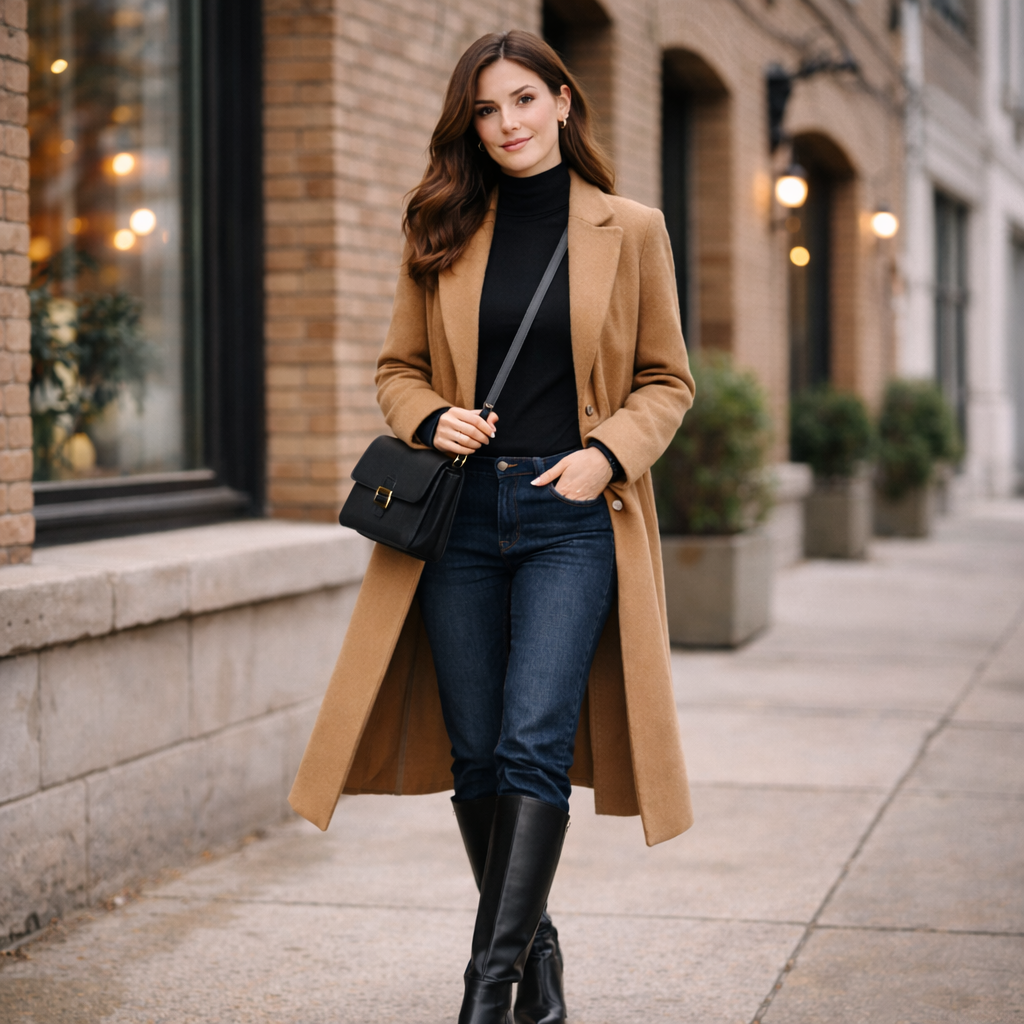
Let’s build an actual outfit from the ground up so you understand how these principles work in practice.
Step 1: Start with a fitted base. Pull on a black fitted turtleneck that hits right at your hip bone. Tuck the front into your pants slightly for a relaxed half-tuck that defines your waist without looking too precious.
Step 2: Choose your bottoms. Dark wash straight-leg jeans in a mid-rise work for virtually every body type and age. The straight leg accommodates boots while creating a clean line under your coat.
Step 3: Add your mid layer if needed. On moderately cold days, skip this. On freezing days, add a fitted cardigan or thin blazer in a complementary neutral. This layer stays hidden under your coat but adds crucial insulation.
Step 4: Choose your coat intentionally. A camel wool-blend coat creates beautiful contrast against black and dark denim. Button it completely for maximum warmth, or leave the top two buttons open to show your turtleneck neckline when you’re indoors.
Step 5: Finish with accessories. Black leather knee-high boots elongate your legs and keep your calves warm. A structured crossbody bag in black keeps your hands free for pockets. Add a cashmere-feel scarf in cream for contrast and genuine neck warmth.
Color Palettes That Actually Work in Winter
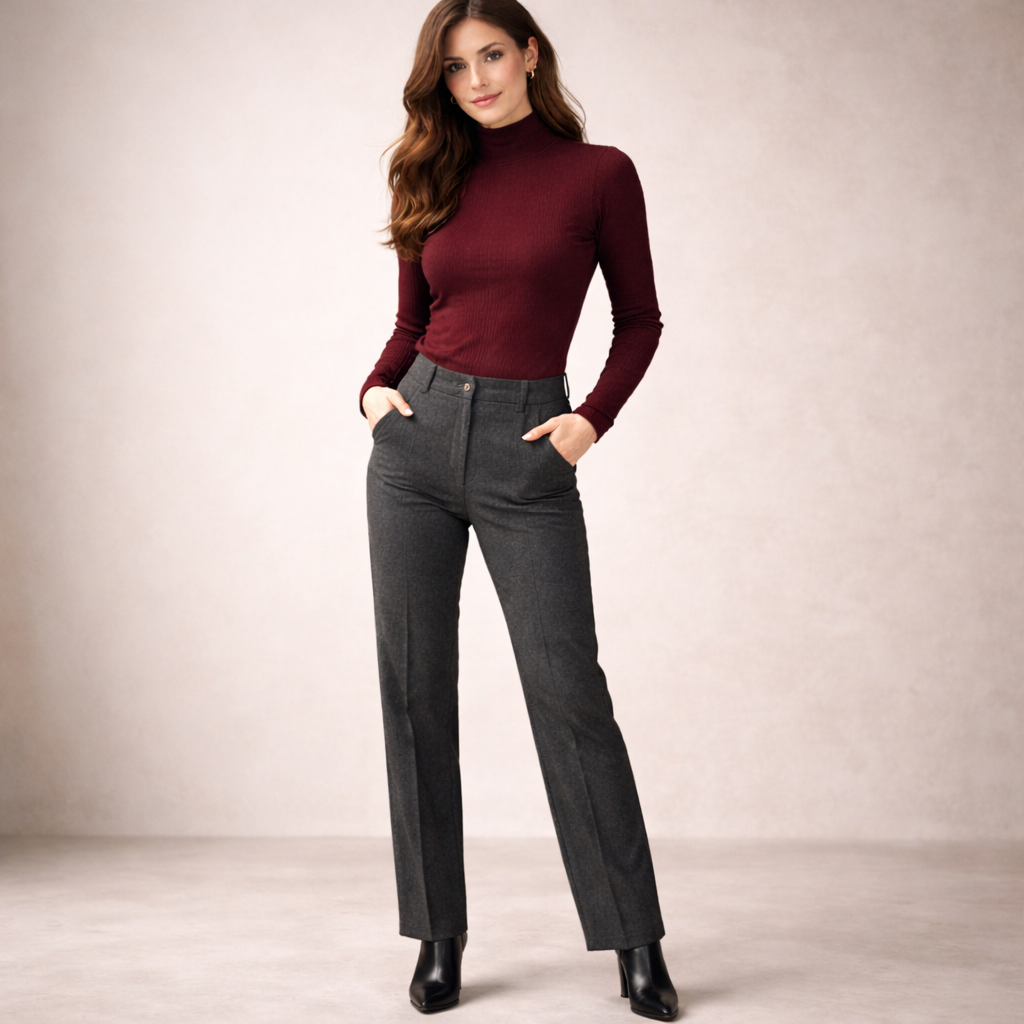
Most cold weather outfits for beginners default to all black because it feels safe. Black works, but monochromatic black can read as severe without intentional texture variation. Here are three palettes that photograph beautifully and flatter every skin tone.
The Camel and Cream Palette: Warm neutrals layered together create a luxurious effect regardless of price point. Cream turtleneck, camel coat, tan boots, cognac bag. Add gold jewelry for warmth.
The Navy and Burgundy Palette: These colors feel richer than black while remaining professional and versatile. Navy coat, burgundy sweater, dark denim, black boots. The contrast reads as intentional and sophisticated.
The All-Neutral Palette with One Pop: Build your base in black, gray, and white, then add one statement accessory. A red scarf, emerald gloves, or cobalt beanie breaks the monotony without overwhelming your look.
Cold Weather Styling Tips That Work Across Ages
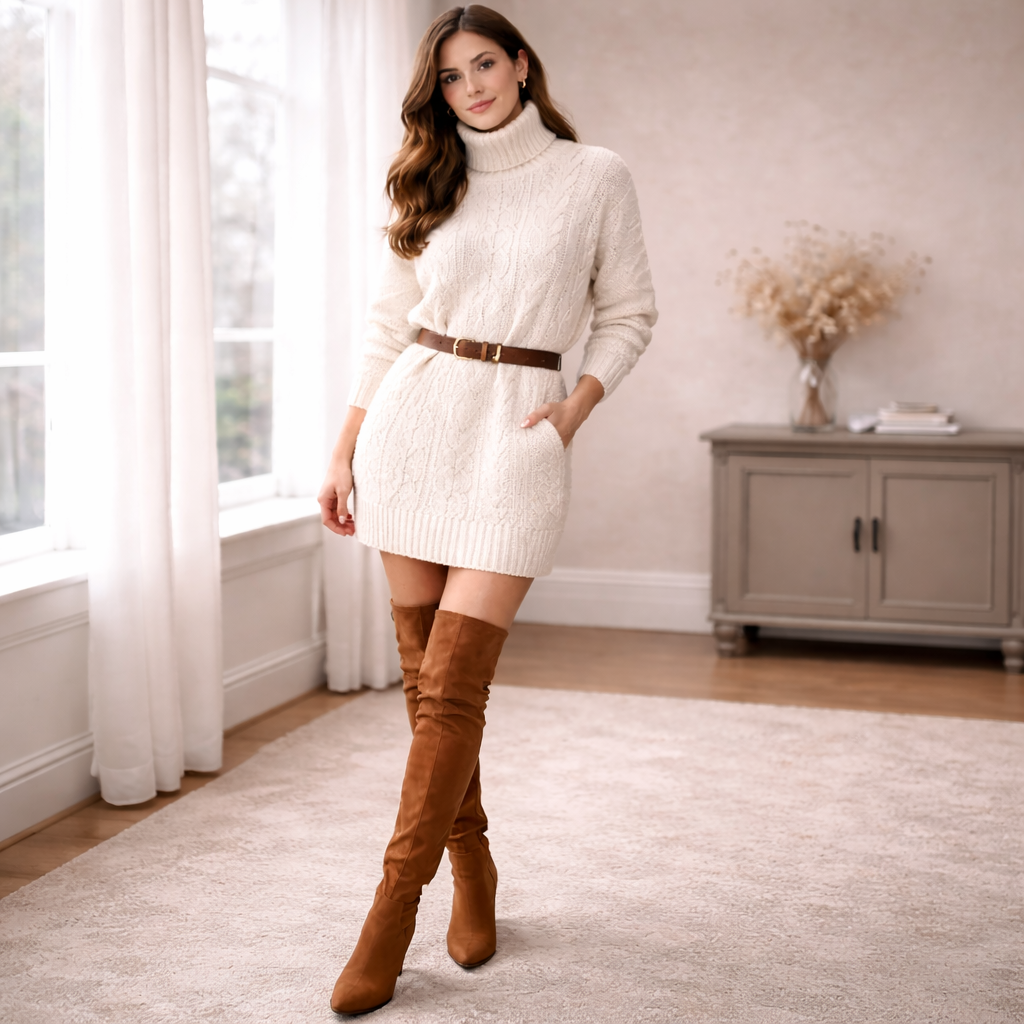
Here’s something most fashion sites won’t tell you: the “rules” about what ages can wear what are largely manufactured nonsense designed to make you buy more. A seventeen-year-old and a fifty-seven-year-old can wear the exact same camel coat, fit and proportion matter infinitely more than arbitrary age guidelines.
The universal proportion trick: When wearing volume on top (chunky sweater, oversized coat), balance it with slimmer bottoms. When wearing volume on bottom (wide-leg pants, maxi skirt), keep your top layer more fitted. This works whether you’re building cold weather outfits for beginners or you’ve been dressing yourself for four decades.
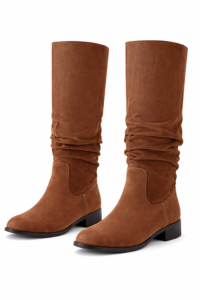
Invest in quality accessories over clothing. A beautiful leather bag and quality boots elevate everything they’re paired with. These items also tend to last longer than trendy clothing pieces, making the cost-per-wear genuinely worthwhile.
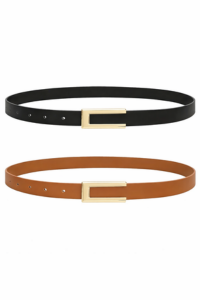
Don’t underestimate the power of a good belt. Wearing layers can obscure your natural waist. A quality leather belt worn over a cardigan or at the waist of a dress creates shape and adds a polished finishing element that separates “intentionally styled” from “just wearing clothes.”
Worth Every Penny
Frequently Asked Questions About Cold Weather Dressing
How many winter coats do I actually need?
Honestly? One good one handles ninety percent of situations. A wool-blend coat in camel, black, or charcoal works for everything from office days to weekend errands. If you live somewhere with genuinely brutal winters, add a quality puffer for the coldest days. But most beginners overbuy coats and underbuy base layers, flip that priority.
Can I still look stylish in a puffer jacket?
Absolutely. The key is choosing a puffer with some structure rather than the most voluminous option available. Look for quilting patterns that create visual interest, and size down if you’re between sizes for a less overwhelming silhouette. Pair with slim bottoms and quality boots to balance the volume.
What’s the most common beginner mistake to avoid?
Forgetting about proportions. When everything you’re wearing is oversized, baggy sweater, loose coat, wide pants, clunky boots, the overall effect reads as sloppy rather than stylish. Always balance volume somewhere in your outfit, whether that’s fitted jeans under a chunky sweater or a slim turtleneck under an oversized coat.
Your Cold Weather Style Starts Now
Cold weather outfits for beginners aren’t about memorizing rules or buying an entirely new wardrobe. They’re about understanding how pieces work together, how layers create warmth and visual interest, how proportions flatter your body, and how a few quality basics outperform a closet full of fast fashion every single time.
Start with one complete outfit that makes you feel genuinely excited to get dressed on a freezing morning. Build from there. The confidence that comes from knowing you look good in winter? That warmth doesn’t come from any fabric.
Now go layer something beautiful.
Disclosure: This post contains affiliate links. If you purchase through these links, I may earn a small commission at no extra cost to you. I only recommend products I genuinely love!