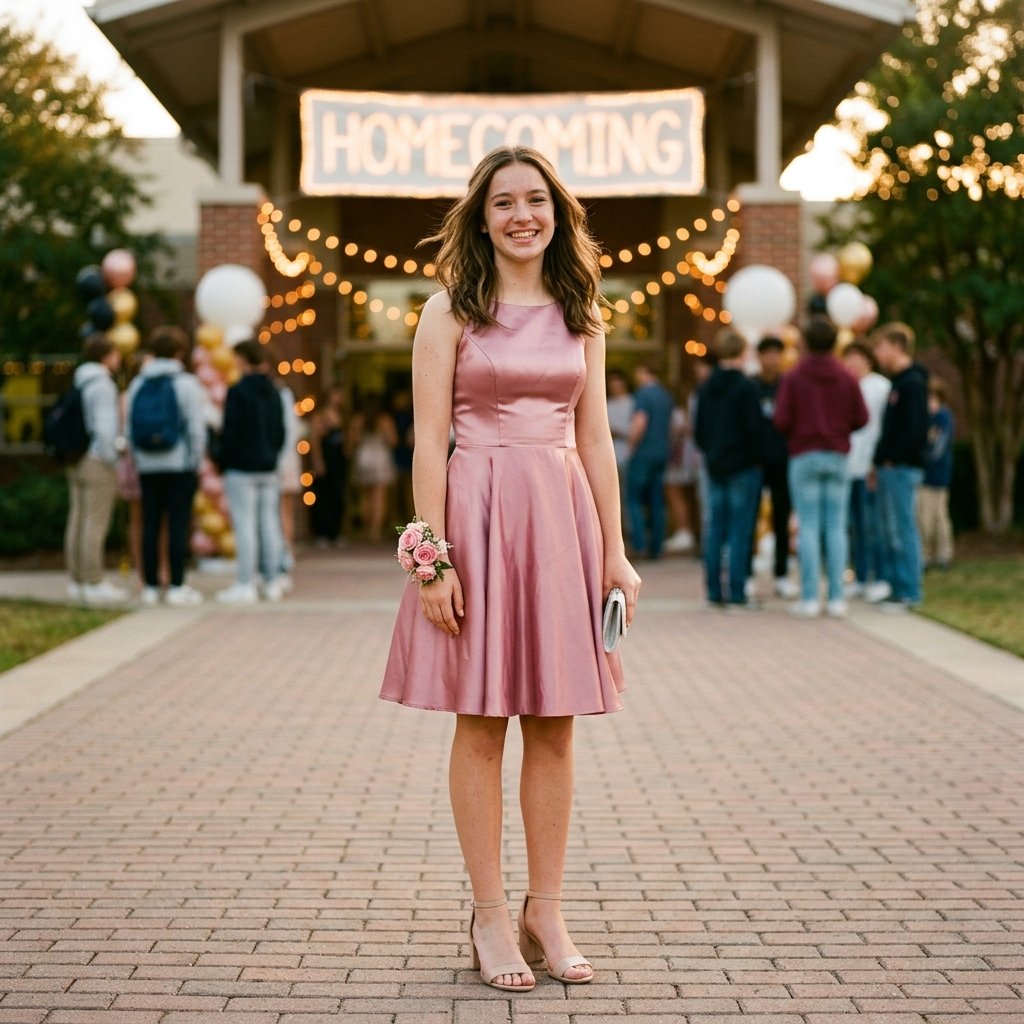
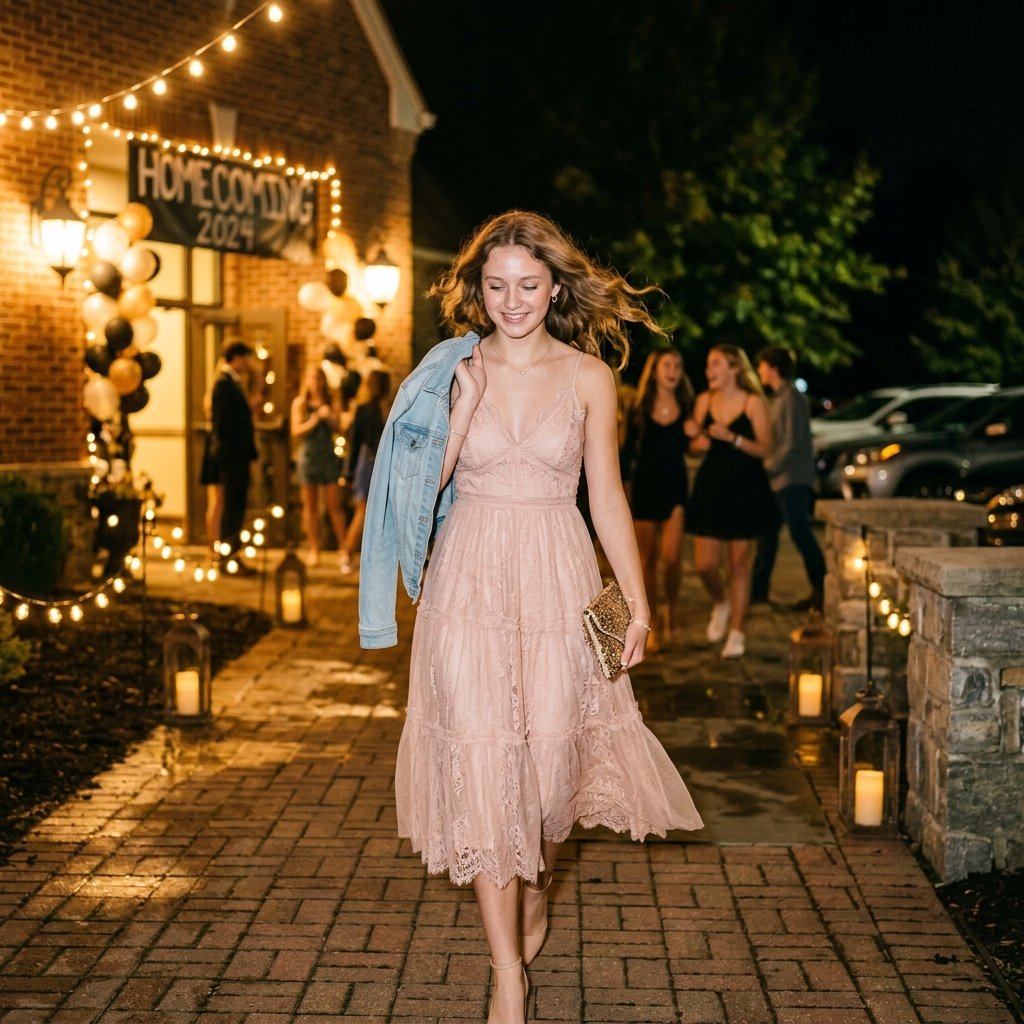
The first thing I noticed while looking through recent homecoming photo galleries wasn’t a particular dress trend or a viral silhouette. It was the sheer number of homecoming dresses in pink. Some girls chose soft blush tones, others wore vibrant fuchsia, and a few leaned into the bright Barbie-inspired shades that have dominated social media over the last few years. Yet despite sharing the same color family, the results couldn’t have been more different.
Some dresses looked incredible from the first photo to the last dance. Others felt oddly forgettable despite being far more expensive or heavily embellished. After seeing this happen repeatedly, I’ve become convinced that choosing from the many homecoming dresses in pink available today isn’t really about finding the prettiest dress. It’s about understanding why certain shades, fabrics, and design details continue to work long after the trends that inspired them disappear.
Pink has become the unofficial color of modern homecoming because it strikes a balance that few colors can achieve. It feels youthful without being childish, feminine without being overly formal, and eye-catching without demanding attention in the way bright red often does. But that’s also what makes it tricky. Because pink is so popular, it’s surprisingly easy to blend into the crowd rather than stand out.
Why Pink Took Over Homecoming Culture
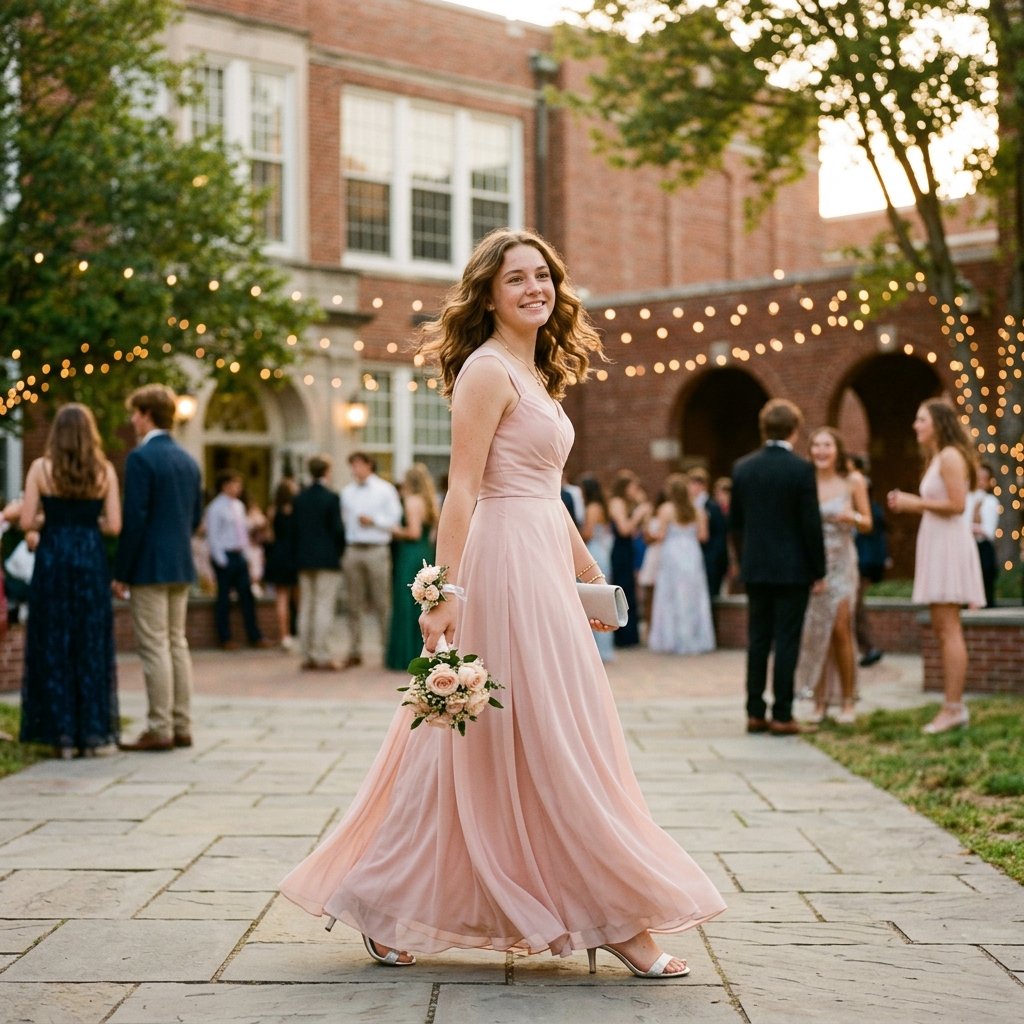
A decade ago, many girls automatically gravitated toward black, navy, or jewel-toned dresses for semi-formal events. Today, pink dominates social media mood boards, Pinterest collections, and homecoming inspiration galleries. Part of that shift comes from fashion trends, but I think there’s another reason.
Pink tends to photograph well in the environments where homecoming actually happens.
Most homecoming events take place in spaces with challenging lighting. School gyms, banquet halls, country clubs, and event centers often rely on warm overhead lighting, colorful dance-floor lights, and flash photography. Dark colors can lose detail in these conditions. Extremely light colors can appear washed out. Pink often sits comfortably in the middle.
What many girls don’t realize, however, is that not all pinks behave the same way once the event begins. A blush pink satin dress may look elegant and soft throughout the evening, while a neon pink dress can become overwhelmingly bright in photos. Likewise, a dusty rose shade that appears understated in a dressing room can suddenly look sophisticated under evening lighting.
This is one reason I rarely think of pink as a single color category. Choosing homecoming dresses in pink is really about choosing among dozens of different personalities hidden within the same color family.
The Difference Between a Pretty Pink Dress and a Memorable One
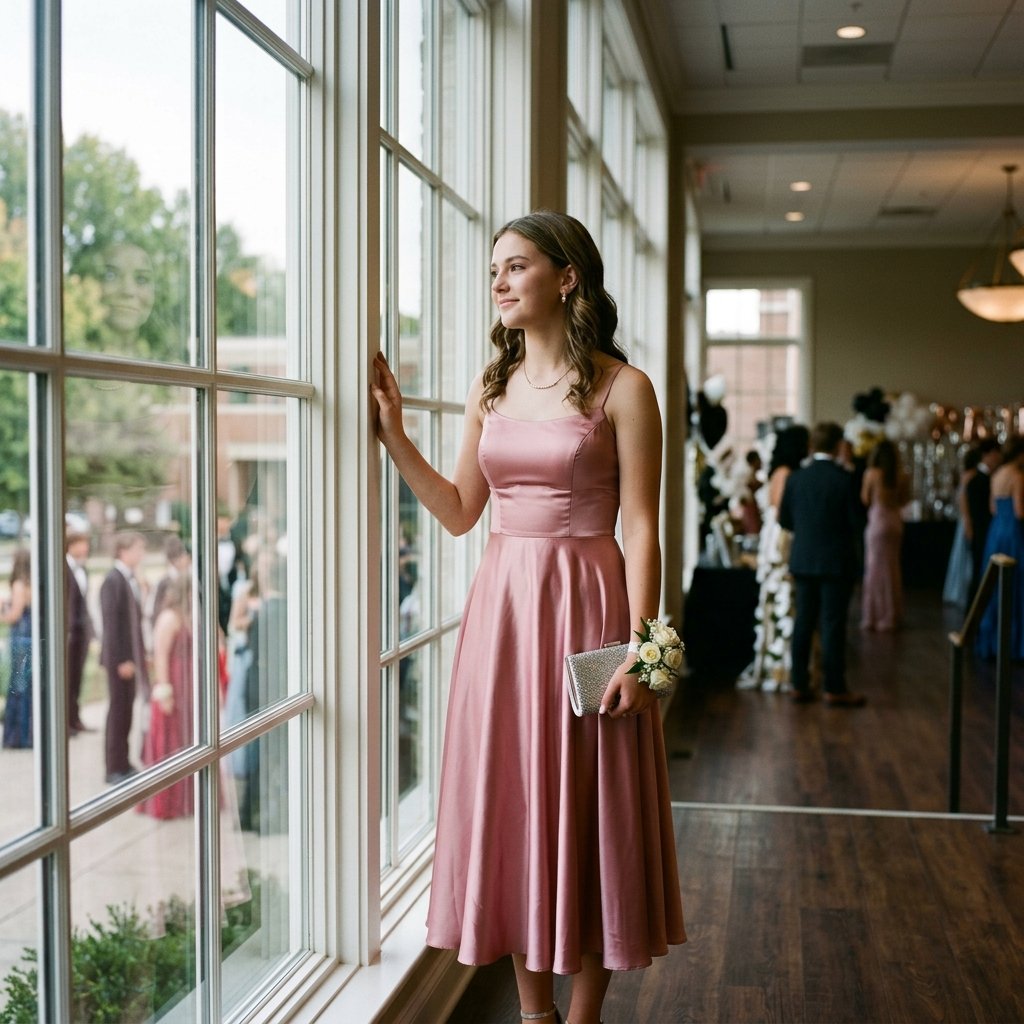
One observation I’ve made after years of watching fashion trends come and go is that memorable dresses rarely rely on a single feature. They’re not memorable simply because they’re pink. They’re memorable because multiple elements work together.
A dress might have a beautiful color but an awkward silhouette. Another might have a flattering shape but a fabric that looks flat in photos. A third may seem simple on the hanger but come alive once the wearer starts moving.
The dresses that tend to earn compliments throughout the night usually have three things in common:
- A pink shade that suits the venue and lighting.
- A silhouette that creates shape without restricting movement.
- Fabric that adds depth and dimension.
I’ve seen simple satin dresses outperform heavily embellished designs countless times. Satin reflects light naturally, creating movement and depth in photographs. Meanwhile, dresses overloaded with sequins, feathers, and dramatic details sometimes end up competing with themselves.
This sounds strange, but some of the most successful homecoming looks are surprisingly restrained. Instead of trying to impress everyone immediately, they reveal their strengths gradually throughout the evening.
What Most Girls Get Wrong About Homecoming Dresses in Pink
One mistake I see every year is choosing a dress based entirely on what looks popular online. Social media can be useful for inspiration, but it often rewards what’s dramatic rather than what’s wearable. A dress that looks incredible in a ten-second video may not be comfortable enough for four hours of dancing, photos, and socializing.
Another common issue is treating pink as a universally flattering color. While pink works for many people, different shades create very different effects. Soft blush tones can appear elegant and romantic, while brighter pinks feel energetic and playful. Neither option is automatically better. The key is understanding which version of pink fits both your personality and the event itself.
I also think many girls underestimate the importance of movement. During homecoming, you’re rarely standing perfectly still. You’re walking, dancing, posing for photos, and interacting with friends. A dress that only looks good when you’re standing motionless in front of a mirror often disappoints once the night begins.
Finally, there’s the temptation to keep adding details. More sparkle, more embellishments, more dramatic cutouts, more accessories. In theory, those additions sound exciting. In practice, they often distract from what made the dress appealing in the first place.
The strongest looks usually have one focal point rather than five.
The Pink Shades That Consistently Photograph Best
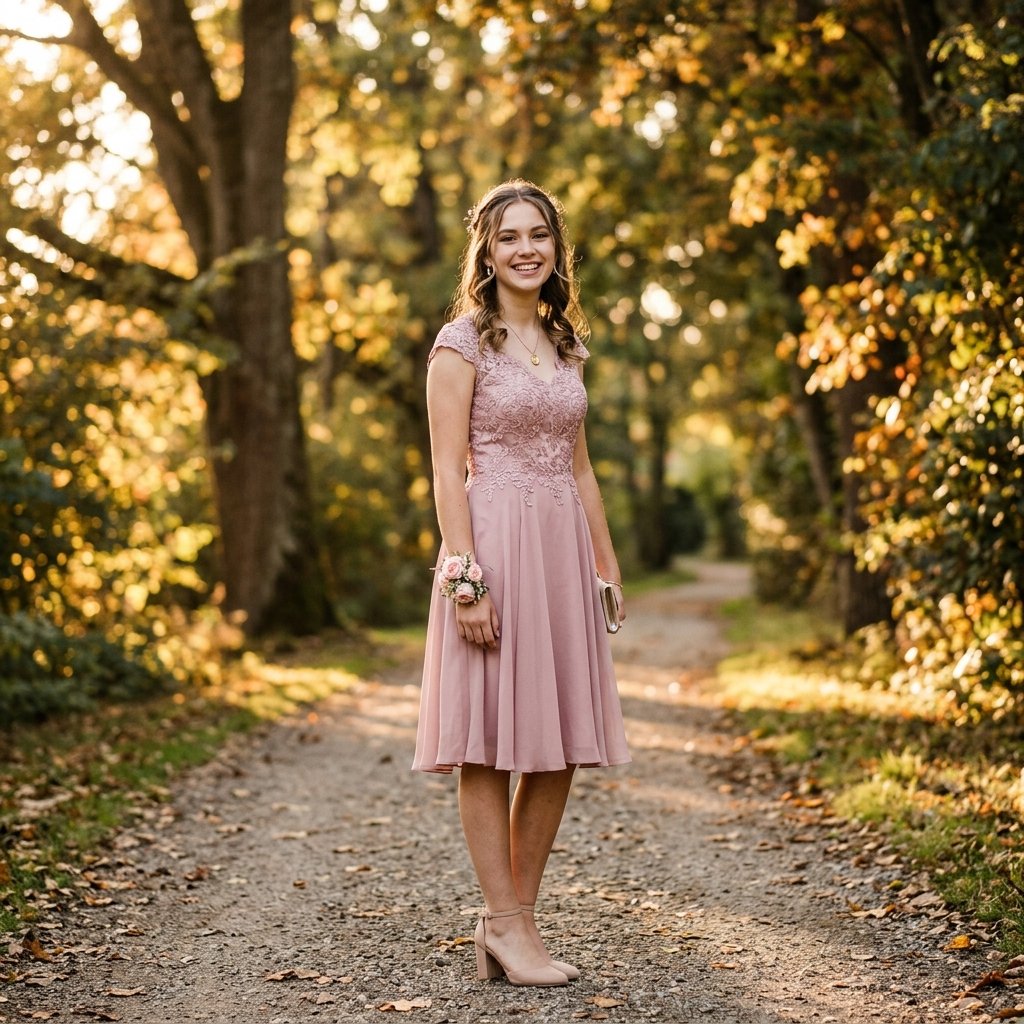
While personal preference should always come first, certain pink shades repeatedly perform well in real-world situations.
| Pink Shade | Why It Works |
|---|---|
| Blush Pink | Soft, timeless, flattering in most lighting conditions |
| Rose Pink | Balanced and versatile, works well in group photos |
| Dusty Pink | Sophisticated without feeling overly mature |
| Hot Pink | High energy and confidence, best with simple silhouettes |
| Fuchsia | Bold but often more photogenic than neon shades |
| Mauve Pink | Modern and slightly unexpected, especially for evening events |
One thing I’ve noticed is that richer pinks tend to hold their detail better in flash photography, while softer pinks often excel during outdoor photos before the event. That’s why venue and timing matter more than many people realize.
Why the Venue Changes Everything
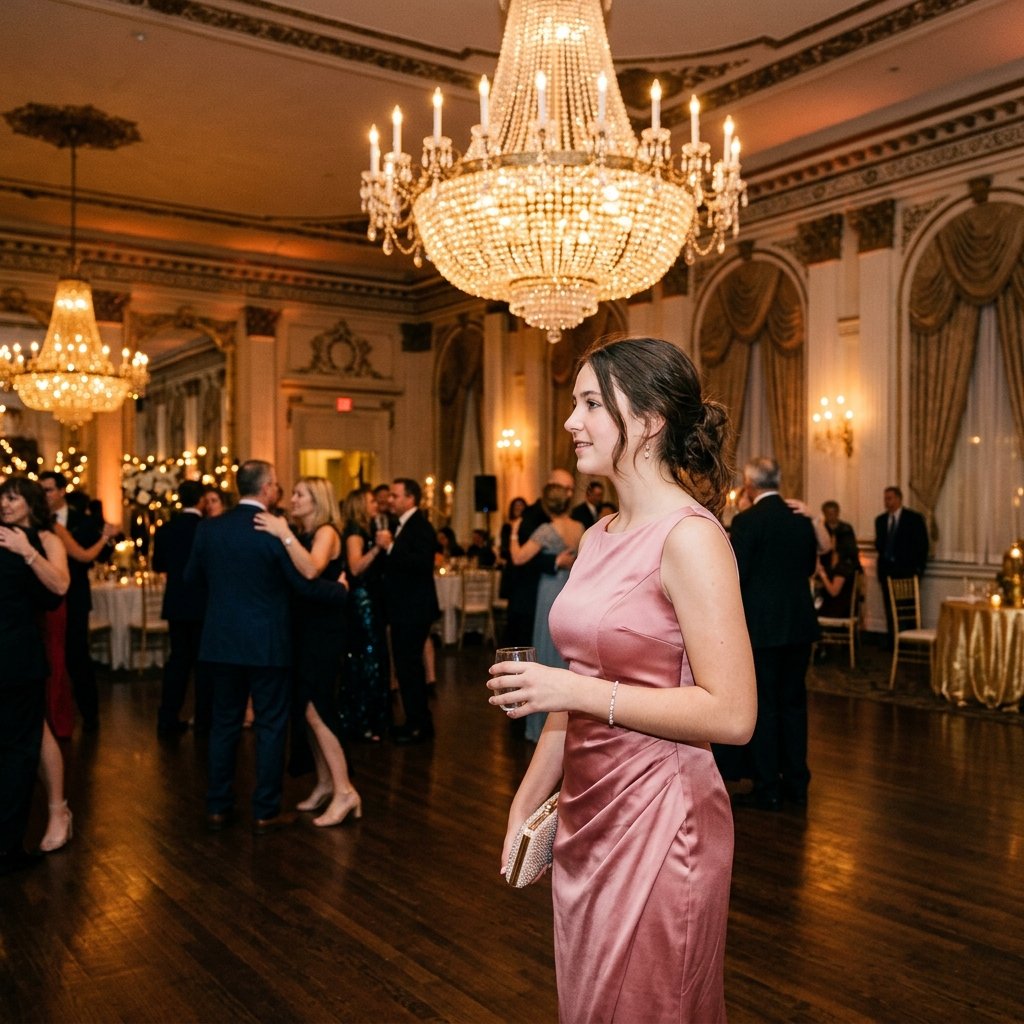
Homecoming advice often ignores the actual environment where the dress will be worn, which is surprising because the venue dramatically affects how a dress looks.
In a ballroom or banquet setting, satin fabrics and deeper pink shades often feel luxurious because they reflect ambient lighting beautifully. The surroundings naturally support a slightly more formal aesthetic.
A school gym creates a completely different situation. The lighting is usually brighter and less forgiving. In these spaces, overly reflective fabrics can sometimes become distracting, while balanced shades like rose pink and dusty pink tend to perform consistently.
Outdoor photos before the dance create another opportunity. Natural light reveals texture in a way indoor lighting can’t. This is where softer pink shades often shine. A blush pink dress photographed during golden hour frequently looks more expensive than it actually is because the lighting enhances the color’s natural softness.
The venue won’t choose your dress for you, but it should absolutely influence the decision.
What Works vs What Doesn’t
| Works | Doesn’t Work |
|---|---|
| Dresses with natural movement | Stiff fabrics that restrict movement |
| One standout design detail | Multiple competing focal points |
| Pink shades suited to the venue | Choosing a color solely because it’s trending |
| Satin, chiffon, or soft-textured fabrics | Heavy fabrics that photograph flat |
| Confidence and comfort | Constant adjustments throughout the night |
| Timeless silhouettes | Trend-driven designs that already feel dated |
The common theme is balance. The best homecoming dresses in pink don’t try to do everything at once.
Frequently Asked Questions
Are homecoming dresses in pink still trending?
Yes, and they’re likely to remain popular because pink works across a wide range of styles. While specific shades may rise and fall in popularity, pink itself has become a homecoming staple.
What shade of pink looks best for evening photos?
Rose pink, dusty pink, and fuchsia often perform particularly well under evening lighting because they maintain depth and contrast.
Can I wear bright pink without looking overdressed?
Absolutely. Bright pink works beautifully when paired with a relatively simple silhouette. Let the color provide the drama rather than adding excessive design details.
Do soft pink dresses look too casual for homecoming?
Not at all. Fabric and construction usually determine formality more than color. A well-designed blush satin dress can look just as formal as much darker options.
Will pink homecoming dresses go out of style?
Individual trends may change, but pink has proven surprisingly timeless. The shade evolves, but the color itself remains a favorite year after year.
After looking through countless homecoming galleries and watching trends cycle through social media, I’ve come to a simple conclusion. The girls who look best in pink aren’t necessarily wearing the trendiest dress in the room. They’re wearing the dress that feels like the most confident version of themselves.
That’s why some homecoming dresses in pink become instant favorites while others are forgotten by the following week. The memorable ones don’t rely on hype, trends, or excessive details. They simply fit the moment, the setting, and the person wearing them.
Years later, when those photos show up again, that’s usually what people remember.